A small republic asks big questions
Or: what happens when San Marino starts talking seriously about the future of work (and yes, remote work is very much part of it)
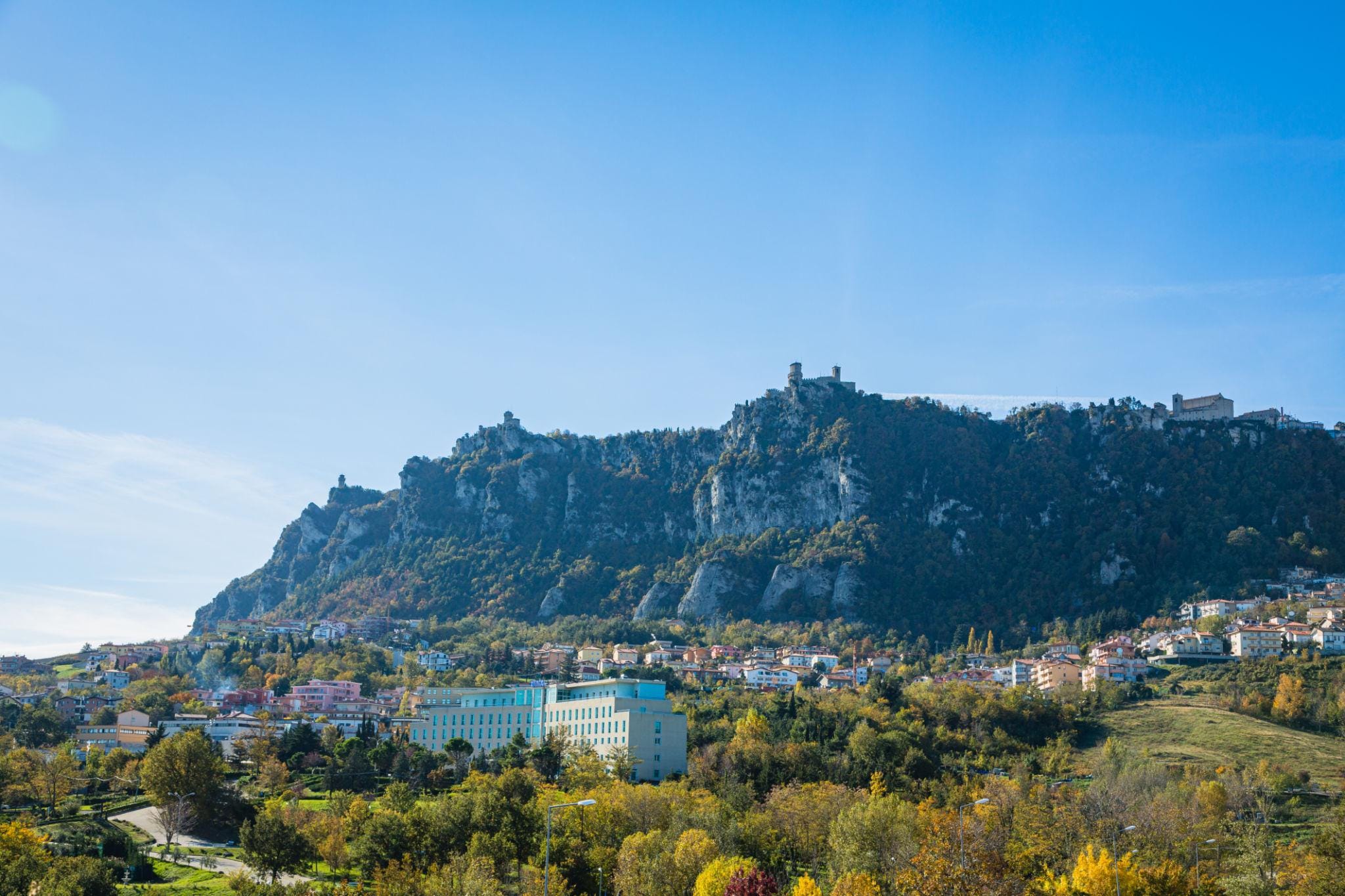
Let’s be honest: if someone had asked you yesterday where San Marino is, there’s a decent chance you would have said “somewhere in Italy-ish” and changed the subject. Fair. It’s one of the smallest republics in the world, perched on Mount Titano, completely surrounded by Italy, and often treated like a historical curiosity rather than a place where the future quietly rehearses itself.
And yet, tomorrow, in the heart of this very small republic, something interesting happens.
At the Teatro Titano, San Marino hosts NEXT-SM, a public event organised by Nicholas Perpiglia (in his non-editorial, civic-minded incarnation), with a special contribution from Nomag’s editor-in-chief, Matteo Cerri. The premise is simple and slightly disarming: what does the future of work, innovation and youth participation look like in a country where “scale” is not a buzzword, but a daily constraint?
It’s a surprisingly good question.
For years, conversations about smart working, remote work and digital nomadism have been framed as “big city problems” or “Silicon Valley luxuries”. Something for Berlin, Lisbon, London, maybe Barcelona on a good day. Small places were expected to wait. Or adapt later. Or watch from the sidelines.
San Marino didn’t get the memo.
At NEXT-SM, the conversation moves in a different direction. Not “how do we copy the big ecosystems?”, but “what actually makes sense here?”. How do young people imagine work in a micro-republic? What role does technology play when everyone already knows everyone? How do you build opportunities without exporting your best minds by default?
And here’s where things get quietly Nomag-interesting.
Remote work and digital nomadism, in this context, aren’t abstract trends. They’re practical tools. Ways to stay local without being provincial. Ways to connect outward without leaving permanently. In a place where borders are symbolic but real, working remotely suddenly stops being “remote” and starts being strategic.
There’s also a cultural shift happening. Communication, media literacy, participation. The idea that young people shouldn’t just consume narratives about the future, but help write them. Even (or especially) in a republic small enough to cross in under an hour.
Is San Marino about to become the next digital nomad hotspot? Probably not. And that’s fine. That’s not the point.
What is interesting is watching a very small country ask very grown-up questions before the pressure becomes unbearable. Before depopulation turns into resignation. Before “innovation” becomes another imported word with no local accent.
Yes, we’re telling you this a bit late. The event is tomorrow. Consider this a gentle nudge, not a call to action.
But next time you’re driving through central Italy, or looking for a short stop that’s neither obvious nor overcrowded, remember this: sometimes the most useful conversations about the future of work don’t happen in glass towers. They happen in small theatres, in small republics, asking big questions — quietly, but seriously.
And San Marino might just be one of those places worth keeping on your radar.