

Africa, the Unexpected Remote Frontier
Why the continent we least associate with digital nomads might be the one that surprises us the most

When we talk about digital nomads, Africa is usually the continent left off the map. Not excluded explicitly, just quietly ignored. And yet, that absence feels increasingly unjustified. Because once you look beyond assumptions and start listening to real stories, Africa emerges not as a backup option, but as one of the most compelling and underestimated frontiers of remote work today.
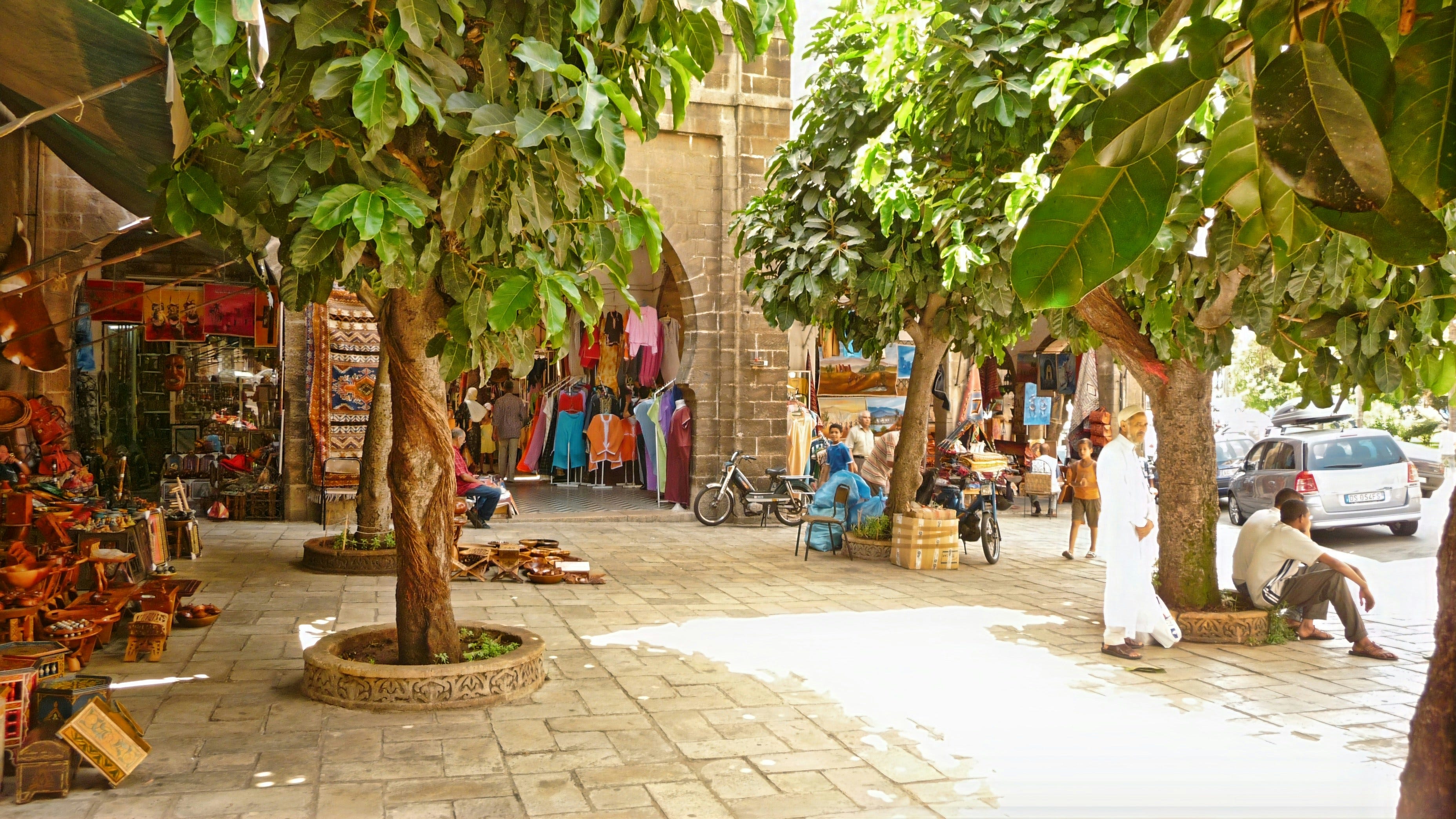
Part of the surprise lies in variety. Africa doesn’t offer a single “nomad formula,” but a mosaic of experiences that feel refreshingly unstandardised. Take Casablanca, for instance. Often dismissed as purely commercial, it has become a practical base for remote workers who want big-city energy without European prices. Strong connectivity, proximity to Europe, and a growing creative scene make it less exotic than expected—and more livable than advertised.
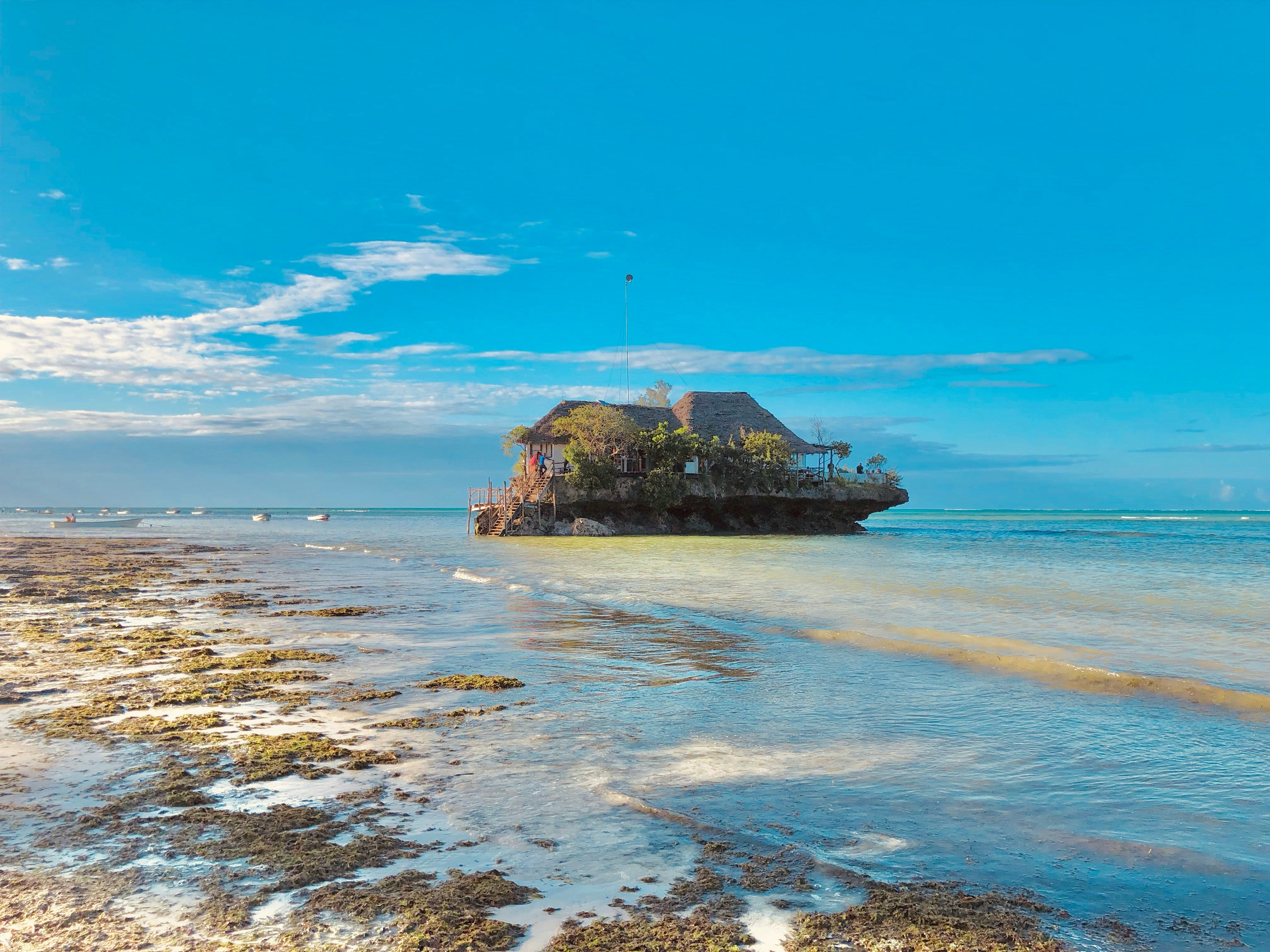
Move east and the atmosphere shifts completely. Zanzibar has quietly built a reputation as a soft-landing spot for remote workers who want balance without isolation. Internet speeds are no longer the bottleneck they once were, co-working spaces exist but don’t dominate the landscape, and life happens outdoors, slowly. Work fits into the day rather than swallowing it whole.
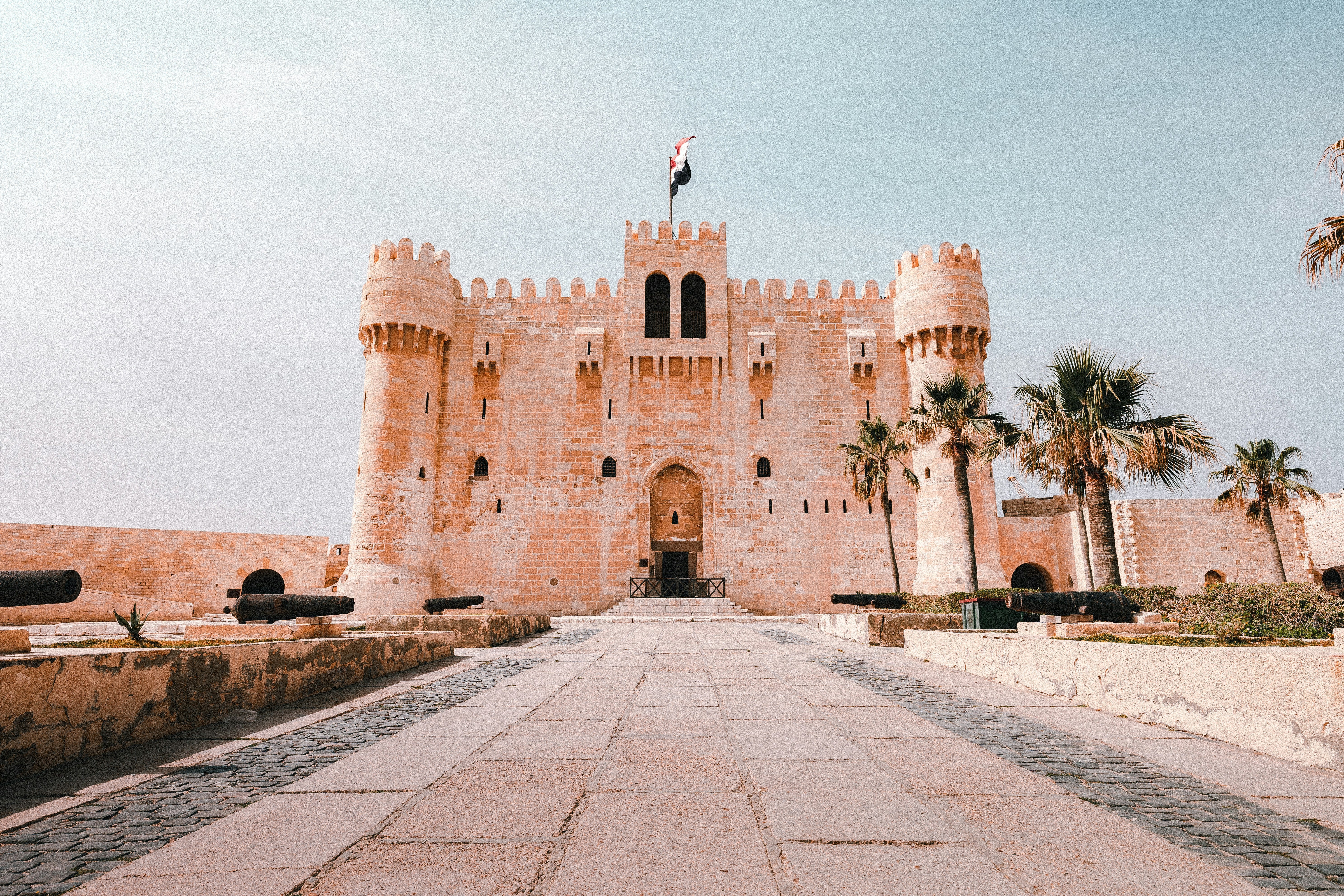
Further north, Alexandria offers something rarer: cultural density. This isn’t a place curated for nomads, and that’s exactly why it works. Cafés double as offices, conversations spill across tables, and the Mediterranean sets a rhythm that feels familiar yet unresolved. Alexandria doesn’t try to charm you—it challenges you. For many remote workers, that intellectual friction becomes part of the appeal.
Sub-Saharan Africa tells yet another story. Lagos is not a “slow” destination, and it doesn’t pretend to be. But for digital professionals plugged into tech, media, and finance, it’s one of the most dynamic urban environments on the continent. Remote work here often blurs into local entrepreneurship, collaborations, and hybrid careers that feel far removed from the café-hopping stereotype of nomadism.
Then there are places that surprise through calm rather than scale. Diani has become a favourite for those who want reliability without intensity. Good connections, a growing international community, and the Indian Ocean as a daily punctuation mark. You work seriously, but you also breathe. That combination is harder to find than it sounds.
Southern Africa adds another layer. Gqeberha, still known to many by its former name Port Elizabeth, offers affordability, nature, and a pace that feels almost deliberately humane. It’s not a hotspot chasing attention, but a place where remote work quietly fits into everyday life. Nearby, South Africa’s broader infrastructure makes longer stays feel less like an experiment and more like a choice.
And then there’s Lusaka, often overlooked entirely, yet increasingly present in remote-work conversations. It doesn’t sell itself loudly, but for those who spend time there, the appeal lies in cost, connectivity improvements, and a sense of being early—before the narratives harden and the prices follow.
What connects these places isn’t perfection. Africa is uneven, contradictory, sometimes frustrating. But that’s precisely why it resonates with a growing number of digital nomads who are tired of over-packaged destinations. Remote work here feels less like consumption and more like participation. You’re not just passing through; you’re adapting.
And somewhere between the first WhatsApp call that works flawlessly and the first afternoon that stretches longer than planned, something shifts. You stop comparing, stop optimising, stop asking whether this place is “ready.” Instead, you realise you are. That lingering feeling—the one the French call mal d’Afrique—isn’t nostalgia. It’s recognition.
Africa may still sit outside the mainstream nomad imagination. But for those willing to look again, it’s no longer a question of if—only when.