Bansko Is Not the Only Mountain With Wi-Fi
When every newspaper suddenly loves one ski town, maybe it’s time for nomads to look at the map again
This morning’s digital nomad press review felt a bit like Groundhog Day.
Different newspapers. Different countries. Same storyline.
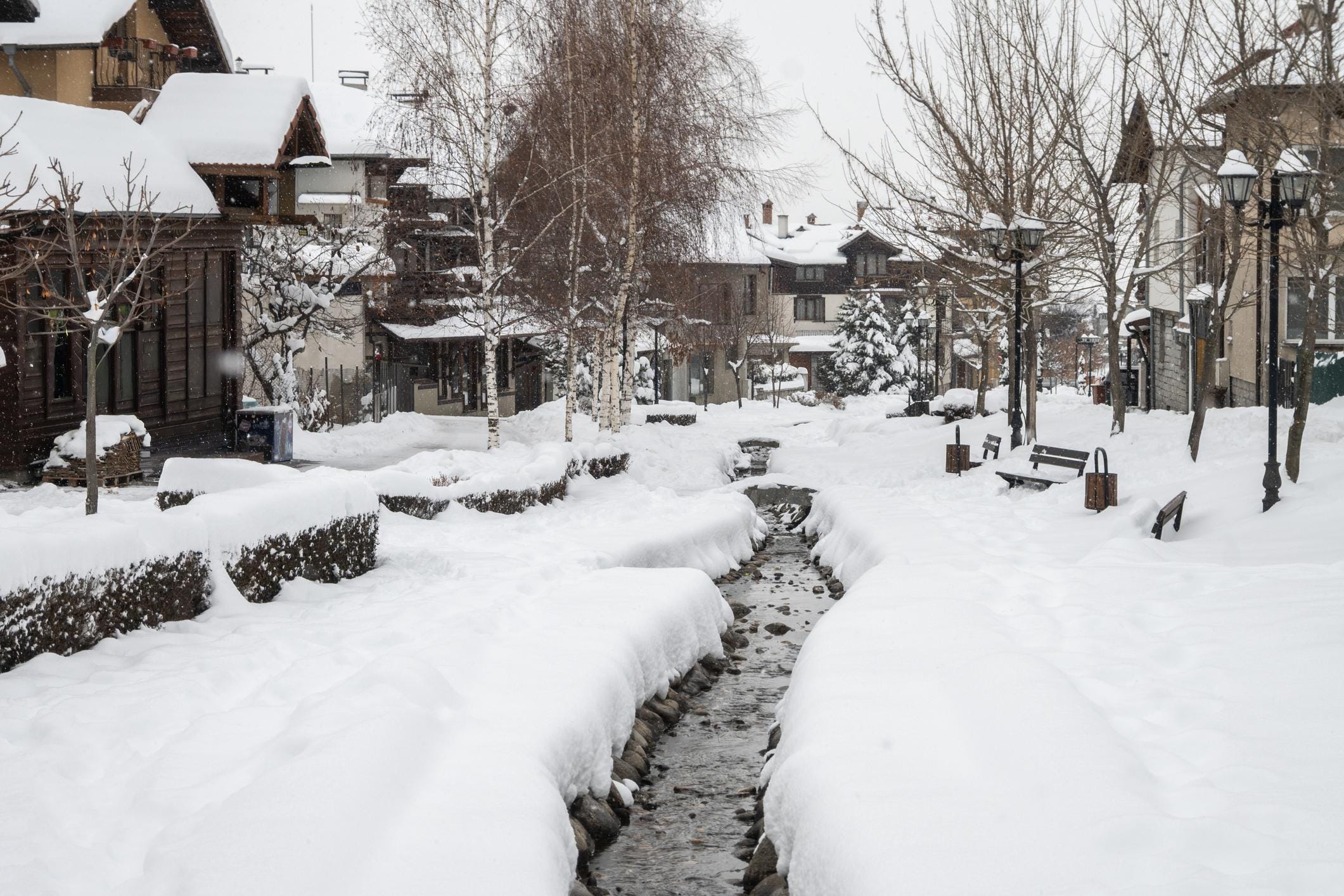
A Bulgarian ski resort threatened by climate change reinvents itself as an all-season hub. Fast internet. Three co-working centres. Hundreds of remote workers. A Danish insurance employee skiing at 8am and logging into London at 10. Fifteen percent tax instead of forty-five. Nomad Fest. Community. Lifestyle. Boom.
Enter Bansko — framed once again as the plucky alpine underdog that outsmarted winter and built a cosmopolitan tribe with laptops and lift passes.
And listen, genuinely: chapeau. Reinventing a mono-season ski economy into a year-round ecosystem is smart policy. The town leveraged infrastructure, improved connectivity, and created a narrative that clearly travels well. When the mayor talks about “significant economic impact,” that’s not fluff. It’s local restaurants, renovated houses, new cafés, bike lanes, longer tourist seasons.
But here’s a slightly uncomfortable question for a movement that calls itself nomadic:
If we all go to the same place… are we still nomads?
The Mecca Effect
Every ecosystem needs a pioneer. Bansko became shorthand for “affordable Europe + mountains + strong community.” Early movers found cheap rents, solid fibre, and a social layer that made remote work less lonely. Word spread. Then events. Then PR. Then, inevitably, articles multiplying across continents in suspiciously similar wording.
We’ve seen this movie before.
A place becomes “the place.” Prices adjust. Expectations rise. Supply follows demand. Suddenly the “cheap alternative” is… not that cheap. The hidden gem now has tiered pricing, curated brunch spots, and Telegram groups debating which co-living has the best espresso machine.
None of this is a criticism. It’s market logic.
But if your ulcer is acting up because you’re fighting for a decent one-bed in high season while arguing about which coworking has the best chair ergonomics… maybe the nomad equation needs recalibration.
The Balkans Are Not a One-Town Show
Let’s zoom out.
In Romania alone you have Brașov - medieval core, mountain backdrop, strong internet, direct airport links via nearby Bucharest. Sibiu - cultured, compact, absurdly photogenic, with a cost structure that still feels refreshingly rational. Cluj-Napoca - tech scene, universities, events, startup energy.
Move west and you hit Bled - postcard lake, Alpine setting, EU infrastructure, tidy logistics. Slovenia in general has connectivity, safety, and serious quality of life baked in.
And then there’s Italy.
Before you roll your eyes and picture €4 cappuccinos in overfiltered hotspots, think smaller. Think Cadore. Think Friuli. Think the low-cost, ridiculously cool version of the Dolomites - mountain villages where fibre has quietly arrived, rents haven’t yet discovered Instagram, and the bar still serves locals first and nomads second.
Places where you support a real economy - not just a remote-worker loop.
Community vs. Convergence
One of the strongest arguments in favour of Bansko is community. And that matters. Deeply.
Remote work without human texture becomes sterile. Shared dinners, spontaneous ski mornings, Nomad Fest-style gatherings - these are not trivial add-ons. They’re glue.
But community doesn’t only happen where 500 other nomads already landed.
Sometimes it’s built by the first 20 who show up somewhere new. Or by five. Or by one person who opens a WhatsApp group and says: “Anyone else around?”
There’s a quiet satisfaction in being part of the early layer — when you’re not consuming a scene but co-creating it.
The Tax Mirage
Yes, Bulgaria’s flat tax is attractive. Yes, comparisons to higher-tax countries make headlines pop.
But tax optimisation alone rarely makes a location sustainable for an individual. Legal residency, compliance, healthcare, long-term visa clarity, these are less sexy than skiing at dawn but far more decisive.
The danger is not Bansko. The danger is narrative oversimplification.
When headlines reduce a town to “15% tax + ski slopes + fast Wi-Fi,” nuance evaporates. And nomads - smart, mobile, adaptable humans - deserve nuance.
The Real Nomad Test
Here’s a friendly provocation.
If we define ourselves by movement, curiosity, and optionality… shouldn’t we occasionally resist the gravitational pull of “the hotspot”?
Shouldn’t we experiment with secondary cities? Support municipalities that haven’t hired a PR agency yet? Inject spending into communities that don’t already have a co-living every 200 metres?
Not as a moral crusade. Just as an adventure upgrade.
Because the irony of remote work is this: it liberated us geographically, and then we voluntarily reconcentrated.
So… Skip Bansko?
Not necessarily.
Go. Ski. Network. Enjoy the energy. There’s a reason it works.
But maybe don’t stop there.
Maybe after the season, you test Brașov. Or Sibiu. Or a lake town in Slovenia. Or a mountain village in Friuli where the landlord still answers the phone himself and the fibre is faster than you expected.
The Balkans are full of scenarios with comparable costs, equal - sometimes better - reachability, and fewer inflated expectations.
And if we’re honest: part of the thrill of being nomadic isn’t arriving where everyone else already is.
It’s arriving before the press release.
Bansko played its cards well. Respect.
But the map is still wide open.
And Wi-Fi, these days, is almost everywhere.