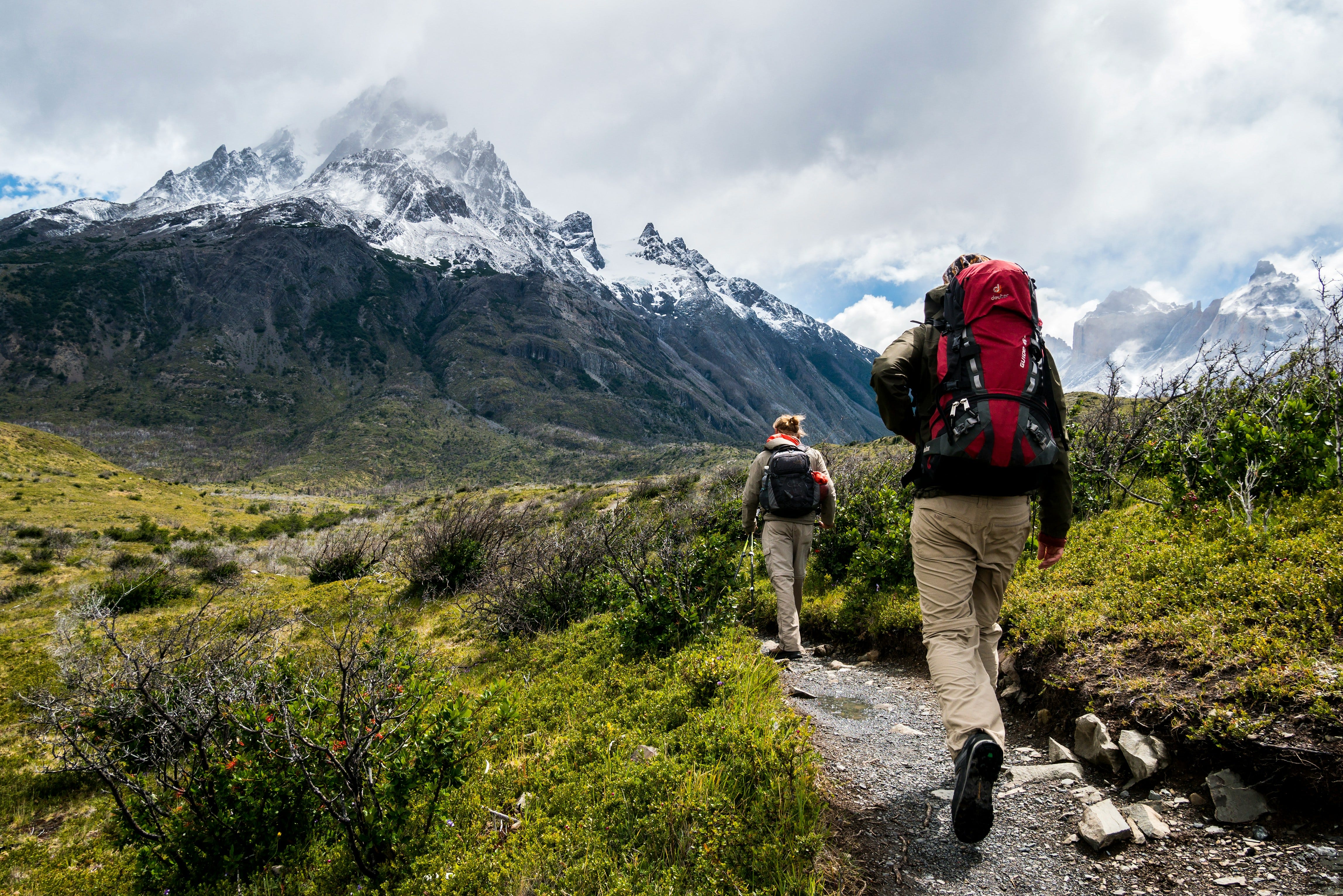
Before the Bucket List, Check Your Knees
Why travel is less about business class and more about stamina, timing and the courage to stop postponing life
There’s a brutal line circulating online: don’t keep postponing your trips for “later,” because “later” might arrive… without your legs.
Dramatic? Maybe. Accurate? Absolutely.
We love the idea of travel. The aesthetic. The airport lounge. The photo with suspiciously perfect lighting. But real travel is less Instagram and more endurance sport. A normal city break easily clocks 10,000 to 13,000 steps a day. That’s six or seven kilometers without even trying. Add stairs, hills, museums, train platforms and the classic “it’s just five minutes away” from Google Maps and suddenly your holiday feels like low-intensity military training.
Last year, during what was supposed to be a casual exploration, someone tracked 13,000 steps and 37 levels climbed in a mineral cave. No spa music. No Aperol. Just gravity.
Which explains a new, very unglamorous trend: people now train for their vacations. They condition their legs in shopping malls (the modern substitute for parks), test their layering strategy for unpredictable climates, and invest in thermal underwear like they’re preparing for a polar expedition when in fact they’re just going to Milan in February.
Because weather, like life, has become volatile. One week you’re in mid-20s sunshine, the next you’re in a blizzard in Japan or experiencing “hot today, cold tomorrow” in China. Travel today requires logistics, gear, and adaptability. It’s no longer just about booking the flight. It’s about being physically and mentally ready to move.
And yet the real obstacle isn’t temperature. It’s timing.
When you’re young, you can jump on a bus standing room only and call it adventure. You travel light, sometimes with nothing more than a duffel bag and optimism. Later, you earn your own money. That sounds like freedom, but it comes with conditions. Employers. Clients. Mortgages. School calendars. Commitments with claws.
You can afford better trips, but you have less flexibility to take them.
That’s partly why digital nomadism became aspirational. The idea of working from anywhere promises mobility without sacrifice. But even that lifestyle requires structure, income streams, Wi-Fi reliability, and a certain tolerance for instability. The “free” life is often carefully engineered.
Then come bigger choices. Career over calendar. Security over spontaneity. Partnership over solo wandering. Add children and the math becomes more serious: airfare multiplied by three, lost income, professional risk. Two weeks away can mean coming back to find your role reformatted or replaced.
For many, travel shifts from priority to luxury. Something you’ll do “when things settle down.”
But things rarely settle down.
Technology has changed the equation slightly. We can work remotely. We can stay connected. Empty nesters rediscover mobility. Some people negotiate solo trips with their spouse. Others finally book the Northern Lights they’ve saved for. The phone is charged, the smartwatch synced, the roaming plan activated.
And yet the deeper question remains: what are you waiting for?
Travel isn’t just about seeing new places. It’s about testing your independence, recalibrating your perspective, and reminding yourself that the world is bigger than your inbox. It’s about movement, physical and mental.
Some people prefer cruises because they combine hotel comfort with mobility. Others plan epic road loops across their own country before asking for “the nations.” Whether it’s a Philippine loop through Luzon, the Visayas and Mindanao, a European rail circuit, or a quiet week in a village no one has heard of, the principle is the same.
Have legs. Use them.
Because one day, you might have the money but not the energy. Or the time but not the health. Or the freedom but not the curiosity.
Travel is not about escaping life. It’s about living it while you still can walk through it.
Before you upgrade to business class, check your knees.