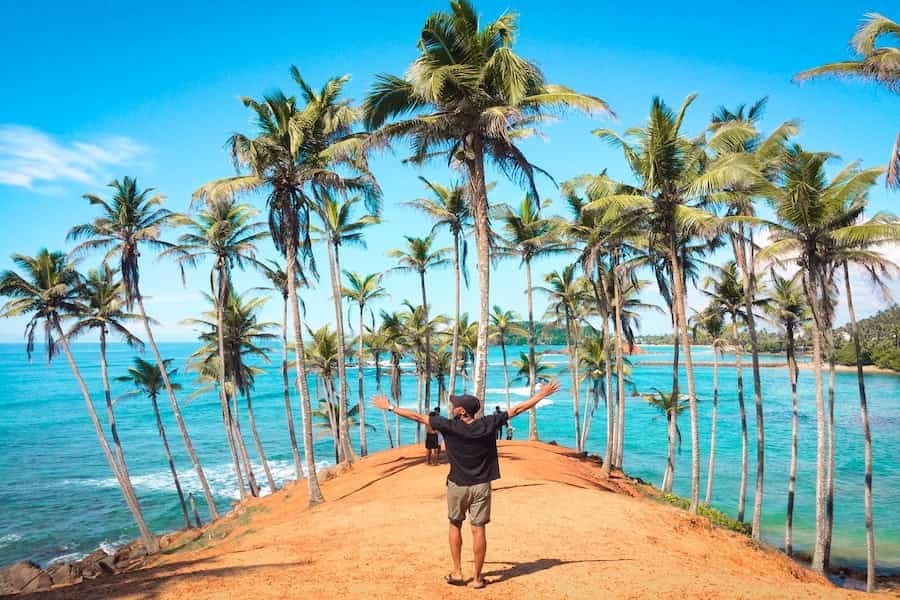
Digital Nomadism, but Make It Human
Why Sri Lanka Is Quietly Becoming a Remote-Work Darling
Once upon a time, digital nomad sounded like a LinkedIn bio gone wrong. All laptops-on-the-beach clichés, zero realism. A fantasy for startup bros, crypto kids, and people who mysteriously never seemed to have deadlines.
Fast-forward to now, and remote work isn’t a lifestyle experiment anymore. It’s infrastructure. It’s policy. It’s millions of people asking a very simple (and very radical) question: if I can work from anywhere, why am I still here?
That’s where Sri Lanka enters the chat — quietly, without the hype machine of Bali or Lisbon, and very much on its own terms.
Digital nomadism, minus the nonsense
Let’s clear something up first. Digital nomadism today isn’t about floating between time zones with a coconut in hand. It’s about longer stays, slower rhythms, and places that can support real life, not just Instagram.
Digital nomads are developers, designers, writers, consultants, journalists, marketers, founders, and remote employees who don’t need to show up in a physical office. What they do need is reliable internet, decent coffee, affordable living, and a place that doesn’t treat them like walking ATMs.
The tools are already there — cloud platforms, async work, international payments, coworking spaces. What’s changing is where people choose to plug in.
Why Sri Lanka works (and not in a postcard way)
Sri Lanka doesn’t sell itself as a “nomad paradise.” That’s precisely the point.
In a few hours you can move from surf towns to misty hills, from chaotic cities to temple-quiet villages. Places like Weligama, Ahangama, and Mirissa have naturally attracted remote workers thanks to surf culture, laid-back living, and a growing ecosystem of cafés and coliving spaces. Galle adds culture and history without the chaos. Colombo brings structure, services, and just enough urban friction to feel connected to the world.
The cost of living is still one of Sri Lanka’s biggest advantages — not cheap, but proportionate. You can live well without burning through savings, eat fresh local food daily, and rent long-term without the madness of overheated housing markets (for now).
And then there’s hospitality. Not the polished, transactional kind — the human one. The kind that makes staying longer feel natural rather than tolerated.
Visas, reality, and how people actually do it
Sri Lanka has started to acknowledge remote workers as a category that exists. The introduction of a Digital Nomad Visa is a signal, even if the system is still evolving. In practice, many nomads still rely on extended tourist visas and legal renewals.
Is it perfect? No. Is it moving in the right direction? Yes — and that matters more than glossy announcements.
The message is clear: remote professionals are no longer invisible.
Working from the island: not just cafés and Wi-Fi
Colombo now hosts serious coworking spaces with proper infrastructure, events, and a mix of locals and internationals. On the coast, coliving models blur the line between home, office, and community — sometimes beautifully, sometimes chaotically, always socially.
Cafés have adapted too. Power sockets, stable Wi-Fi, and an unspoken tolerance for laptops lingering longer than espresso etiquette once allowed.
What’s emerging isn’t a scene — it’s an ecosystem, still fragile, still uneven, but very real.
Who comes here — and why they stay
Sri Lanka attracts a mixed crowd: creatives escaping creative burnout, developers seeking focus, founders needing lower costs without disconnecting from the world. Many arrive “for a few weeks.” Plenty stay for months.
The difference with short-term tourism is impact. Remote workers rent homes, shop locally, return to the same cafés, learn names, and develop routines. That consistency matters — economically and socially.
Some collaborate with local entrepreneurs. Others volunteer. Many simply learn how to exist respectfully in a place that isn’t built around them.
The uncomfortable part (because it matters)
Sri Lanka doesn’t get a free pass.
Internet outside main hubs can be patchy. Infrastructure varies wildly. Public services are improving but uneven. And yes — there’s a real risk of pressure on housing in popular coastal towns if growth isn’t managed carefully.
Digital nomadism done badly becomes extractive. Done well, it becomes reciprocal. The difference lies in policy, local involvement, and nomads understanding they’re guests — not pioneers.
Why Sri Lanka feels different
Sri Lanka isn’t polished. It isn’t optimized. It doesn’t pretend to be friction-free.
And for many remote workers, that’s the appeal.
In a world of increasingly standardized “nomad hubs,” Sri Lanka offers something rarer: authenticity without isolation, beauty without branding, and space to live rather than perform a lifestyle.
Digital nomadism isn’t about escaping reality anymore. It’s about choosing a better one.
For Sri Lanka, embracing this shift isn’t about chasing trends — it’s about shaping them, carefully. Not as a playground, but as a place where global work and local life can coexist.
And that, quietly, is exactly what makes the island worth watching.


The distinction between "nomad hubs" and places with authentic integration is increasingly crucial as remote work matures beyond early-adopter experimentation. Sri Lanka's appeal lies precisely in what you identify as reciprocal rather than extractive engagement—where digital infrastructure supports presence without displacing community. The tension around housing pressure echoes patterns from Portugal to Thailand, suggesting that sustainable remote work destinations require proactive policy frameworks that protect local affordability while welcoming external income. The ecosystem model you describe represents a healthier evolution than the transactional tourism that preceded it.