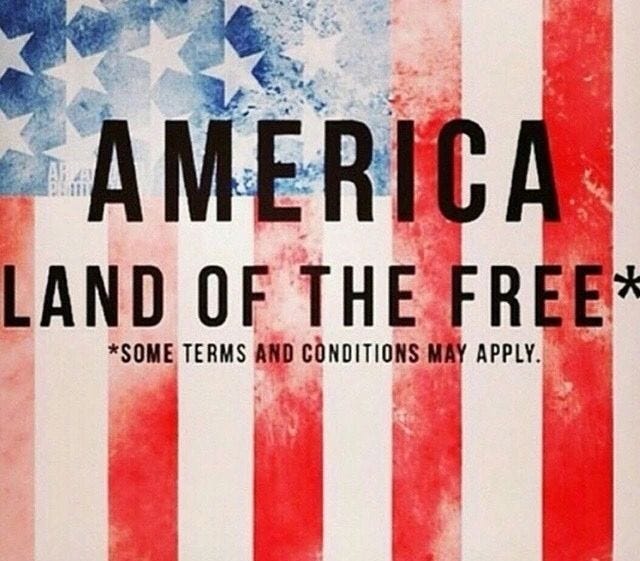
Five Years of Likes, Zero Chill: The US Wants Your Social Media Before You Even Land
Special Take on Travel, Privacy & Peak Bureaucracy
If you thought US immigration was already a mildly dystopian blend of Homeland Security and airport carpet aesthetics, the new ESTA rules announced this week take things to a whole new level: the Trump administration now wants five years of your social media history before letting you into the country. Yes — your tweets, your Instagram captions, your “felt cute, might delete later” era. All of it.
And it doesn’t stop there. Visitors from the 42 visa-waiver countries (France, Germany, Australia, Japan, the UK… basically everyone who assumed they were fine) will also have to disclose:
phone numbers used in the last five years,
email addresses used in the last decade,
biometrics (face, fingerprints, iris scans, DNA),
and — plot twist — names, birthdates and addresses of relatives, including children.
At this point it’s less border control and more genealogy with extra steps.
The Political Backdrop (aka: vibes-based security policy)
The change stems from a Day-1 executive order in which Trump asked agencies to ensure that incoming visitors do not “bear hostile attitudes” toward America’s culture, citizens, government, institutions, or founding principles. A definition so subjective it could mean anything from “criticised US healthcare once” to “didn’t clap during a Marvel movie.”
Meanwhile, the tourism numbers tell the story:
Foreign visits to California forecast: –9% this year.
Hollywood Boulevard summer foot traffic: –50%.
Canadians driving into the US: –36.9% in July YoY.
Airline travel from Canada: –25.8%.
Tourism slump in Vegas, not helped by mobile gambling apps (turns out blackjack on your sofa is more appealing than biometrics at the border).
Even national parks aren’t safe: a new $100 daily extra fee for foreign visitors, with free admission removed from MLK Day and kept only for Trump’s birthday. If this isn’t performance art, it’s at least strong satire material.
World Cup 2026: What Could Possibly Go Wrong?
FIFA expects 5 million fans to visit the US, Canada and Mexico next year. Imagine ushering them all through ESTA forms requiring five years of tweets, two-factor authentication memories, and your cousin’s birthplace. Experts are already warning of possible chaos at airports — because nothing says “global celebration of sport” like DHS officers scrolling your feed from 2021.
Human rights groups have warned FIFA that the whole event risks becoming a PR tool for an increasingly authoritarian-leaning US policy environment. And honestly? Hard to blame them.
The Censorship Paradox
Here’s the most Nomag-friendly angle:
Despite branding itself as the global champion of free speech, the US is now essentially telling millions of visitors:
“Sure, welcome — but first show us every political opinion you’ve ever expressed online, or we might think you’re dangerous.”
Students are already being detained for social posts supporting Palestinians. Prospective workers applying for the already painful H1-B visa must now pay $100,000 and hand in their social media profiles. Even journalists could see their visa validity slashed from five years to eight months.
The CBP has also asserted its right to search devices at entry. You can refuse, of course — and then be denied entry entirely. Freedom!
The Fire Statement (and why it matters)
The Foundation for Individual Rights and Expression hit the nail on the head:
“Visitors here for a vacation should not have to fear that self-censorship is a condition of entry… This is not the behaviour of a country confident in its freedoms.”
In other words: if you need five years of someone’s memes before letting them into Disneyland, maybe the real security threat is the growing mismatch between what America says it stands for and how it actually behaves.
Nomag’s Take
We’re not here to moralise — travelers know the rules change every year, and digital nomads spend more time reading visa PDFs than poetry. But this development signals something deeper: the global mobility landscape is being shaped less by technology, and more by geopolitical anxiety.
If border policies start demanding your online identity, your thoughts, your past affiliations, your family tree — what does that mean for the future of movement, culture, and openness? And what happens to countries whose soft power depends on people wanting to experience them?
For now, if you’re heading to the US, maybe start curating your feed the way you pack your bags: intentionally, lightly, and with a touch of minimalism.
And yes — maybe archive that 2019 post where you tweeted “America is weird.”
Just in case.


