From Hacker Basements to Crypto Hubs
How Digital Nomadism Quietly Changed Shape
For years, digital nomadism has been sold as a lifestyle: laptops on beaches, smoothies in tropical cafés, the promise of freedom neatly compressed into an Instagram square. But beneath the clichés, something more structural has been unfolding — slower, quieter, and far more consequential.
The analysis recently published by The Business Times, based on long-term anthropological research by Dave Cook and Olga Hannonen, helps explain why today’s digital nomad ecosystem looks nothing like the one that emerged thirty years ago.
When coworking was still a political idea
One of the first modern coworking spaces, C-base in Berlin, was never meant to be “hospitality”. Born in the mid-1990s, it was a hacker space — techno-utopian, anti-corporate, rooted in the idea that knowledge, code and tools should be shared.
Early digital nomads weren’t tourists. They were engineers, coders, tinkerers. Location independence wasn’t about lifestyle arbitrage, but about escaping rigid national and corporate structures. Technology was the enabler, not the product.
Fast forward three decades, and coworking has become part of urban branding strategies, tourism policy, and real-estate repositioning. The shift didn’t happen overnight — but Covid, geopolitics and tech layoffs accelerated everything.
Chiang Mai, again — but for different reasons
When researchers returned to Chiang Mai nearly a decade after their first fieldwork, the city was familiar — yet transformed.
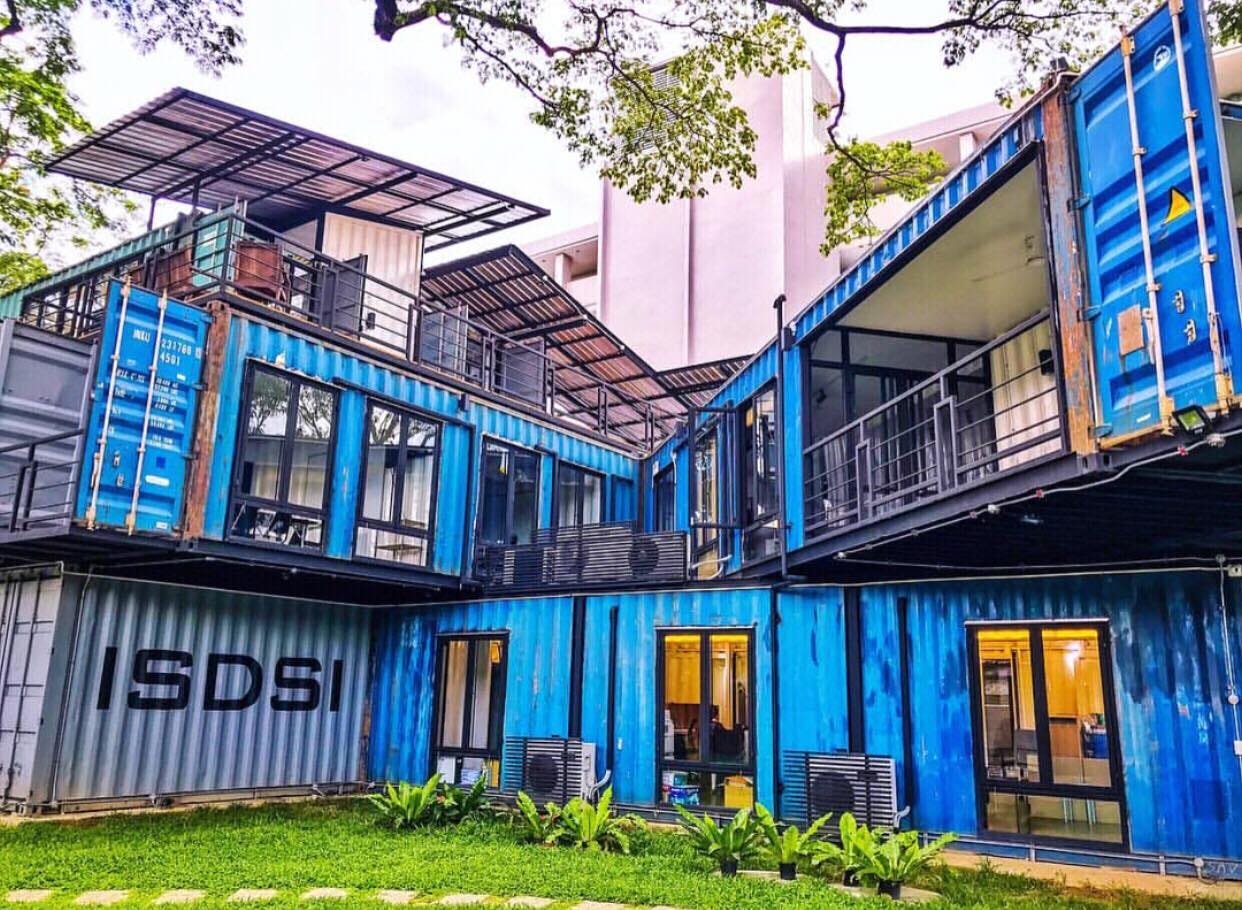
Spaces like Yellow Coworking, launched during the pandemic with a blockchain-oriented focus, became magnets for a new wave of nomads: ex-Silicon Valley employees, crypto enthusiasts, Russian and Ukrainian developers displaced by war and layoffs.
What drew them wasn’t the vibe, but the runway. Lower costs meant more time to experiment, prototype, fail, restart. The logic was entrepreneurial rather than escapist: Chiang Mai as an extended MVP lab.
Technology here isn’t just portable work — it’s financial infrastructure. Biometric access, crypto payments, decentralised finance meetups. Even local bar owners accepting Bitcoin are part of the same ecosystem logic: borderless, speculative, experimental.
The crypto layer: acceleration and distortion
Crypto nomads represent a niche within a niche, but they matter because they push nomadism beyond “workspaces”. In places like Chiang Mai or Lisbon, coworking spaces double as incubators, financial communities, and ideological bubbles.
At The Block Lisboa, paying in cryptocurrency and attending weekly Crypto Fridays is normal. Events like Ethereum-focused summits blur the line between work, networking, finance and belief systems.
This comes with obvious contradictions. Alongside genuine innovation, there are losses, scams, unverifiable success stories, and people rebuilding their lives after financial collapse. Nomadism here isn’t glamorous — it’s precarious, uneven, and often emotionally costly.
From counterculture to policy target
What may be most striking is how accurately all this was predicted. In Digital Nomad (1997), Tsugio Makimoto and David Manners foresaw governments competing not just for capital, but for citizens.
That moment has arrived.
Countries like Estonia, Malaysia, Portugal and Spain now design visas specifically for digital nomads — selectively attracting high-skilled, mobile workers while limiting access to local labour markets. Residency paths, family relocation and tax incentives turn nomads into semi-permanent assets.
Coworking spaces, once marginal and political, have become soft infrastructure in this competition. They help cities signal openness, modernity and global relevance — often without fully grappling with long-term social impact.
What this evolution really tells us
Digital nomadism hasn’t “grown up”. It has fragmented.
There is no single nomad experience anymore — only overlapping worlds: freelancers, remote employees, founders, crypto speculators, lifestyle migrants, policy experiments. Coworking spaces reflect this shift: less about desks, more about ecosystems.
What started in hacker basements now sits at the intersection of geopolitics, finance, urban development and migration policy. And while the imagery remains light and aspirational, the underlying dynamics are anything but.
The real question for the next decade isn’t where nomads will go — but which cities will understand that attracting mobile talent is not about Wi-Fi and smoothies, but about governance, housing, inclusion and long-term vision.
Because digital nomadism, stripped of its marketing gloss, is no longer a trend. It’s an early signal of how work, citizenship and place are being quietly renegotiated.


Really strong analysis of how nomadism went from ideological to transactional. The shift from C-base's anti-corporate ethos to governmentsactively designing visa programs captures how quickly countercultures get absorbed into policy frameworks. Back in like 2018 I remember meeting digital nomads in Bali who were basically just freelancers avoiding rent, now its this whole stratified ecosystem with crypto bros and startup founders treating Chiang Mai like athree-month incubator.