From Hype to Habit: Europe’s Real Hotspots for 2026 (Seen by Digital Nomads)
Why the places that work are quietly overtaking the places that shout
Every January, travel media performs the same ritual: lists, rankings, predictions. Where to go in 2026. The next must-see destination. Most of these lists are aspirational at best, decorative at worst. They sell desire, not experience.
That’s why the Travellers’ Choice Awards 2026 by Tripadvisor are worth a closer look — not because they’re perfect, but because they’re different. They’re not curated by editors or tourism boards. They’re built from a year of real reviews, real stays, real frustrations and small satisfactions.
Read through the eyes of digital nomads, remote workers, and long-stay travellers, these rankings stop being a list of “where to go” and become something more interesting: a map of where life friction is lower.
And friction — not beauty — is the real currency of contemporary travel.
Madeira: intensity without overload
At number one globally, Madeira is not a surprise. But the reason it wins matters.
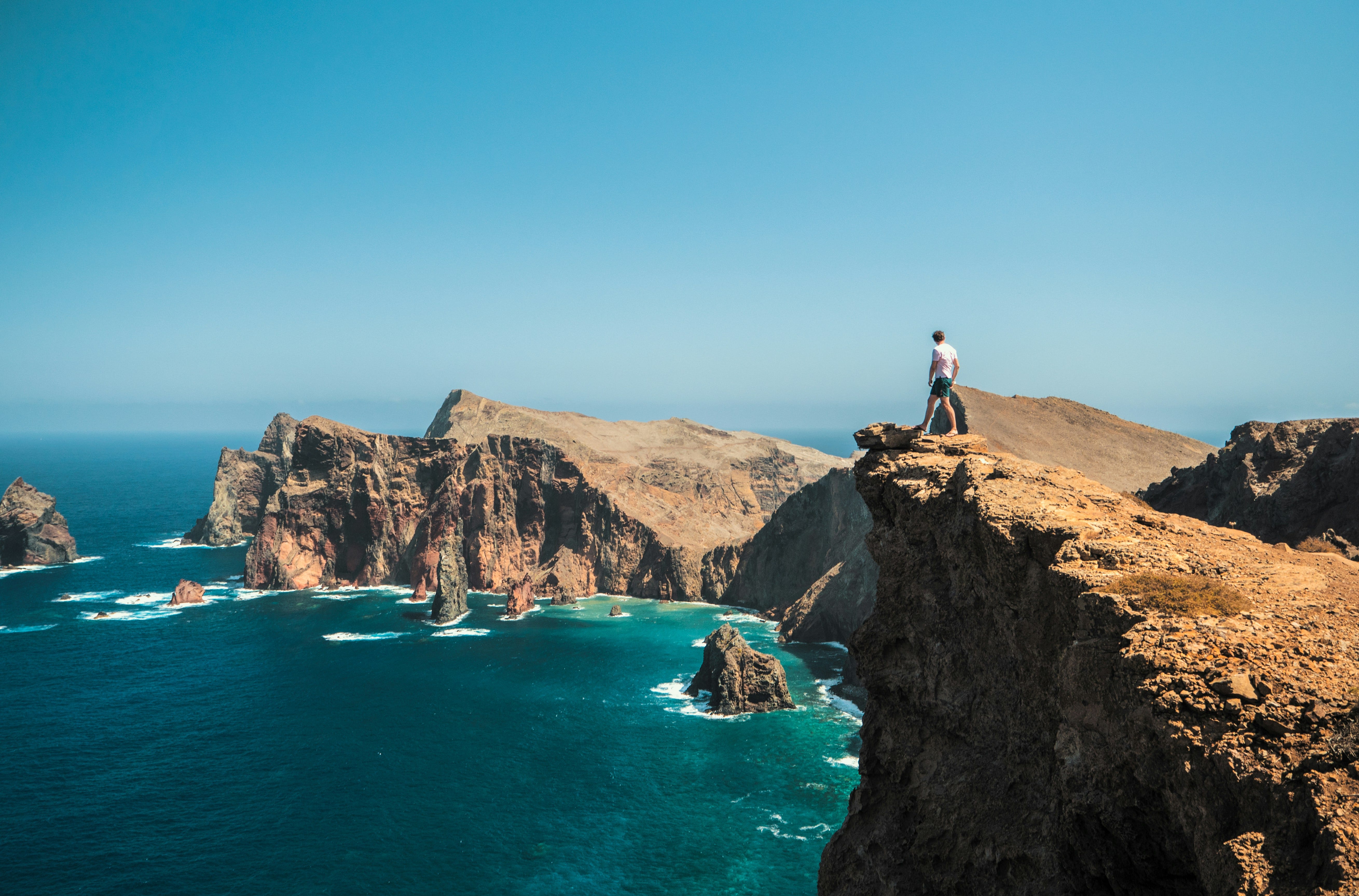
Madeira isn’t just scenic. It’s dense. Mountains, ocean, trails, towns, infrastructure — all within short distances. You can hike above the clouds in the morning, answer emails in the afternoon, and still feel like the day wasn’t stolen by logistics.
For nomads, Madeira’s real strength is that it works outside peak season. Mild climate, reliable internet, solid services, and an environment that doesn’t collapse once summer ends. It offers intensity without chaos — something Europe increasingly struggles to provide.
Italy, quietly, has dozens of Madeiras. What it lacks is the operational mindset to let them function year-round instead of being treated as seasonal backdrops.
Tbilisi: when clarity beats charm
Second place goes to Tbilisi, and here the signal is even clearer.
Tbilisi’s appeal isn’t only cultural — though the mix of ancient architecture and bold contemporary spaces is real. Its strength lies in clarity. Clear visas. Clear taxes. Clear rules. A cost of living that still aligns with reality.
Nomads don’t move because a city is “cool”. They move because a city is legible. Tbilisi allows people to arrive without negotiating their legitimacy at every step.
This is where Italy consistently loses ground. Not on aesthetics. On usability.
Milan: global attention, local tension
At sixth place, Milan is the highest-ranking Italian destination — and also the most revealing.
Milan is strong as a node: fashion, design, finance, events, Olympics. It attracts capital and visibility. But for many long-stay travellers, it remains a city to pass through, not to settle into.
Housing costs, uneven services, and a lifestyle optimised for insiders rather than newcomers make Milan feel more like a stage than a base. It works brilliantly for short bursts. Less so for continuity.
Italy’s deeper problem is that Milan’s energy doesn’t cascade. It concentrates. And nothing beyond it is structurally prepared to absorb long-term, mobile populations.
Glasgow and the power of secondary cities
Ranked seventh, Glasgow highlights another trend shaping Europe in 2026: the rise of secondary cities.
Glasgow doesn’t market perfection. It offers culture, music, affordability, and immediate access to dramatic landscapes. It doesn’t ask visitors to perform tourism. It lets them live.
For nomads, this matters. Cities that feel usable, slightly rough, and socially permissive often outperform postcard capitals. They normalise temporary presence instead of exoticising it.
Solo travel, remote life, and social permission
The solo travel rankings reinforce the same logic. Cities like Dublin, Berlin, London, Edinburgh, and Madrid succeed not because they’re cheap or spectacular — but because they’re socially forgiving.
Eating alone isn’t strange. Working from cafés isn’t suspicious. Staying for a month doesn’t require justification. These cities grant something subtle but crucial: permission to exist temporarily.
That permission is infrastructure. And it’s something Italy still struggles to offer consistently.
Italy’s unresolved paradox
Seen from a digital nomad perspective, Italy remains Europe’s great paradox.
Unmatched beauty. Extraordinary diversity. Deep culture.
And yet: fragmented rules, seasonal thinking, suspicion toward mobility.
Italy appears on rankings as scenery. Rarely as a system.
Until mobility is treated as a feature — not a disturbance — Italy will continue to attract admiration without capturing continuity. People will visit, photograph, and leave. The future, however, is built by those who stay just long enough to belong — and not long enough to be trapped.
The 2026 rankings don’t predict the future. They quietly describe it.


