Italy’s “Remote Work Havens”? Yes. But Let’s Stop Pretending This Is About Digital Nomads.
Our take on Idealista's latest ranking
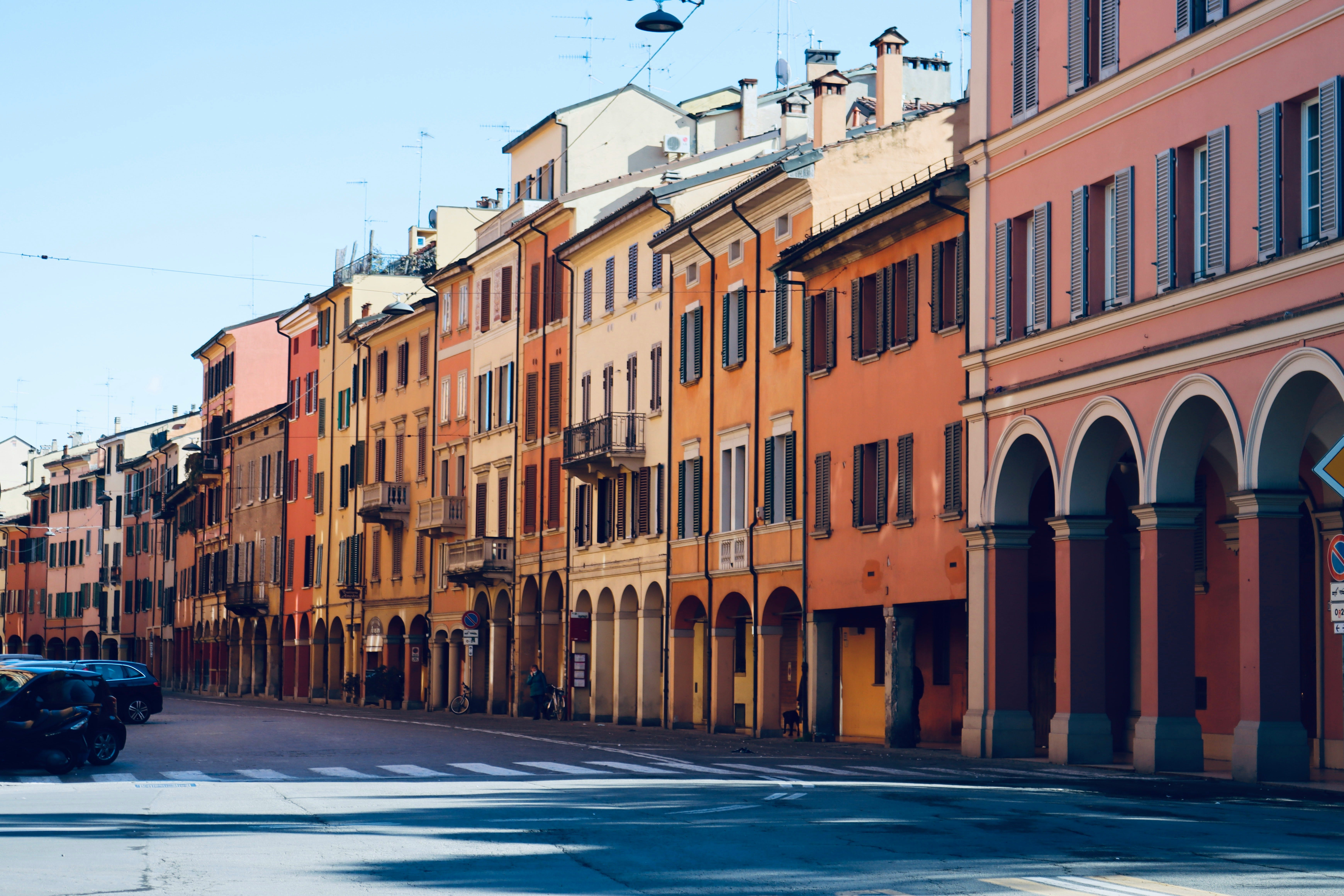
This week, Idealista published one of those increasingly familiar pieces announcing that remote workers are flocking to places like Bologna, Lecce, Palermo and Bari instead of Milan or Rome.
And broadly speaking, they are right.
The shift is real.
We have been talking about it for months.
We have seen it first-hand.
And frankly, it is mildly amusing watching major platforms slowly package into trend pieces what many people working in this space have been observing for quite some time.
But beyond the predictable “yes, we noticed too, thank you” reaction, there is one thing in the article that deserves pushing back on.
Because while the headline talks about digital nomads, the reality they are describing is often something quite different.
And that distinction matters.
The people increasingly looking at Italy’s secondary cities and lifestyle destinations are not, for the most part, the stereotypical digital nomads of internet mythology.
They are not twenty-eight-year-olds drifting from laptop to laptop between Bali, Lisbon and Medellín.
They are not backpacking freelancers moving every three months with a ring light and a Notion subscription.
What Italy is attracting more and more of is something else entirely: relocators.
Professionals with stable remote income.
Entrepreneurs.
Families.
Couples in their thirties and forties.
Semi-permanent movers.
People looking not for a temporary base, but for an actual life.
Because here is the practical reality that glossy property articles often skip over: a true nomad rarely buys property.
A person experimenting with flexible location independence does not generally move country, navigate bureaucracy, wire funds, hire surveyors, and purchase real estate in a place they may leave twelve months later.
Someone buying property is making a different decision entirely.
They are not “nomading.”
They are relocating.
And that is where the conversation around Italy becomes more serious—and more interesting.
Because once you stop talking about temporary remote workers and start talking about actual relocation, the biggest issue is no longer simply which city is attractive.
It is: where exactly do people live?
Because one of the least discussed realities of the Italian relocation market is that while many cities may look attractive on paper, actually finding suitable rental stock for medium or long-term international movers is often extraordinarily difficult.
Not impossible.
But difficult.
Good, well-finished, professionally managed, move-in-ready rental housing remains limited in many of the very destinations now being promoted as “remote work hotspots.”
Supply is inconsistent.
Standards vary wildly.
Inventory is often outdated.
Landlords can be hesitant.
Processes can be opaque.
And what looks plentiful online often proves unsuitable the moment serious criteria are applied.
In other words: many people discover quickly that the theoretical lifestyle may be easy to market, but the practical housing solution is far less straightforward.
Which is precisely why, in many cases, people end up doing one of three things.
They either: buy cheaply and renovate over time;
find a specialist operator or project developer who has already done the hard work for them;
or simply give up and choose another market altogether.
And that is perhaps the bigger story here—not just that Italy is attracting remote workers, but that the country’s housing and relocation ecosystem is still catching up with the type of international demand now emerging.
Airbnb, for all the criticism often thrown at it, actually played an important transitional role in that story.
It helped surface dormant housing stock.
It encouraged renovation.
It proved there was demand beyond traditional tourism.
And in many places, it gave owners their first incentive in decades to modernise neglected property.
Of course, short-term rentals also created distortions and occasional local tensions. Anyone pretending otherwise is being unserious.
But they also exposed opportunity.
They showed that people wanted to come, stay, test, and experience these places before committing.
And that matters—because relocation decisions of this kind are not small.
Nobody serious should be choosing where to build a new life because of a “Top 7 Italian Towns for Remote Workers” article.
These are life decisions. Financial decisions. Lifestyle decisions. Family decisions.
They require time, testing, context, due diligence.
Not just a good Wi-Fi speed and a nice quote about espresso in medieval piazzas.
So yes, Idealista is correct that Italy is increasingly appealing to remote workers.
But the more accurate framing is this:
Italy is not simply becoming a digital nomad destination.
It is becoming a relocation destination for people with remote income.
And those are two very different things.
The sooner the wider media stops confusing the two, the more honest—and useful—this conversation becomes.