Micro-retirement and Gen Z
Why a whole generation is redesigning the way it travels (and works)
Once upon a time, the deal was simple: work hard, build a career, retire late — and only then enjoy your time.
Gen Z looked at that promise, did the math, and decided not to wait.
Welcome to the age of micro-retirement: long, intentional breaks taken during working life, not at the end of it. Not holidays. Not weekend escapes. And not the old gap year, either. These are pauses that last months, sometimes a year, often repeated, and increasingly built into how people think about work, travel and personal sustainability.
This isn’t about dropping out. It’s about not burning out.
Why micro-retirement makes sense right now
Burnout is no longer an exception — it’s a baseline. At the same time, traditional milestones (home ownership, linear careers, long-term job security) feel increasingly out of reach for younger generations. The result? A shift in priorities.
Instead of deferring life to an undefined future, Gen Z is choosing to redistribute it.
Micro-retirements are typically self-funded career breaks, taken without the safety net of an official sabbatical or a guaranteed role to return to. That uncertainty is deliberate. These pauses are used to reset, recover, explore alternative career paths, test freelance or remote work, or simply regain control over time and energy.
Rest, in this model, isn’t a reward. It’s maintenance.
And unlike the hustle mythology of previous decades, productivity is no longer measured in hours worked, but in how sustainable a life feels over time.
Why “where” matters more than ever
Micro-retirement travel isn’t about landmarks or bucket lists. It’s about daily life.
Gen Z travellers are choosing destinations based on questions like:
Can I live here comfortably on a modest budget?
Is healthcare accessible?
Is the city walkable and safe?
Is the internet reliable?
Will I meet people — without having to try too hard?
Can I stay long enough to feel grounded?
That’s why a specific group of cities — often outside classic tourism narratives — is quietly rising in popularity. They offer affordability, rhythm, community and infrastructure, without demanding constant consumption.
Here are some of the places shaping micro-retirement travel in 2026.
Bangkok
High energy, low pressure
Bangkok remains one of the most effective micro-retirement bases in the world — largely because it removes financial anxiety from the equation.
Daily costs are low, healthcare is good and affordable, and the city delivers a rare mix of intensity and ease. One day you’re in a quiet temple, the next you’re eating street food at midnight, working from a café, or hopping on a river ferry across town.
Because money stretches further, decisions feel less urgent. That matters when you’re trying to think clearly about what comes next.
Bangkok also works as a hub. It’s easy to stay put — and just as easy to leave, explore Thailand or move across Southeast Asia without major planning. Add a long-established international community, and you get a city where reinvention feels normal, not dramatic.
Hanoi
Calm, focus and continuity
Hanoi attracts a slightly different micro-retirement profile: people who want to slow down without disconnecting completely.
The city is compact, walkable and comparatively calm, with lakes, shaded streets and a pace that encourages routine. Living costs are extremely low, internet quality is strong, and remote or freelance work fits easily into daily life.
Culturally, Hanoi feels layered rather than loud. French colonial architecture sits alongside street kitchens serving pho, bun cha and egg coffee. Life happens outdoors, but without pressure to perform or consume.
For writers, designers, developers and consultants, Hanoi often becomes a place to work less — but more intentionally — while rethinking longer-term plans.
Lisbon
Europe, without the European burnout
Lisbon continues to punch above its weight as a micro-retirement destination, even as costs rise.
What keeps it attractive is balance. It’s sunny, safe, culturally rich and still cheaper than cities like London, Paris or Dublin. Healthcare works, public transport is reliable, and English is widely spoken — which reduces friction for long stays.
Neighbourhoods like Alfama and Belém feel timeless and lived-in, while Bairro Alto and the LX Factory offer a more international, creative energy. It’s easy to build a routine here: walking hills, working from cafés, eating simply, spending time outdoors.
For many Gen Z travellers, Lisbon isn’t about escape — it’s about testing a slower, more human version of European urban life.
Budapest
Architecture, culture and recovery
Budapest offers something increasingly rare in Europe: quality of life without constant financial pressure.
Rent, food and transport remain affordable, while the city delivers architecture, green spaces and cultural depth in abundance. Public transport is efficient, the city is easy to navigate, and daily life feels manageable rather than overwhelming.
Then there are the thermal baths. Places like Széchenyi and Rudas turn rest into a ritual — not an indulgence. Combined with cafés, long walks along the Danube and a vibrant creative scene, Budapest becomes an ideal place for reflection with structure.
It’s a city that invites you to slow down — without feeling disconnected.
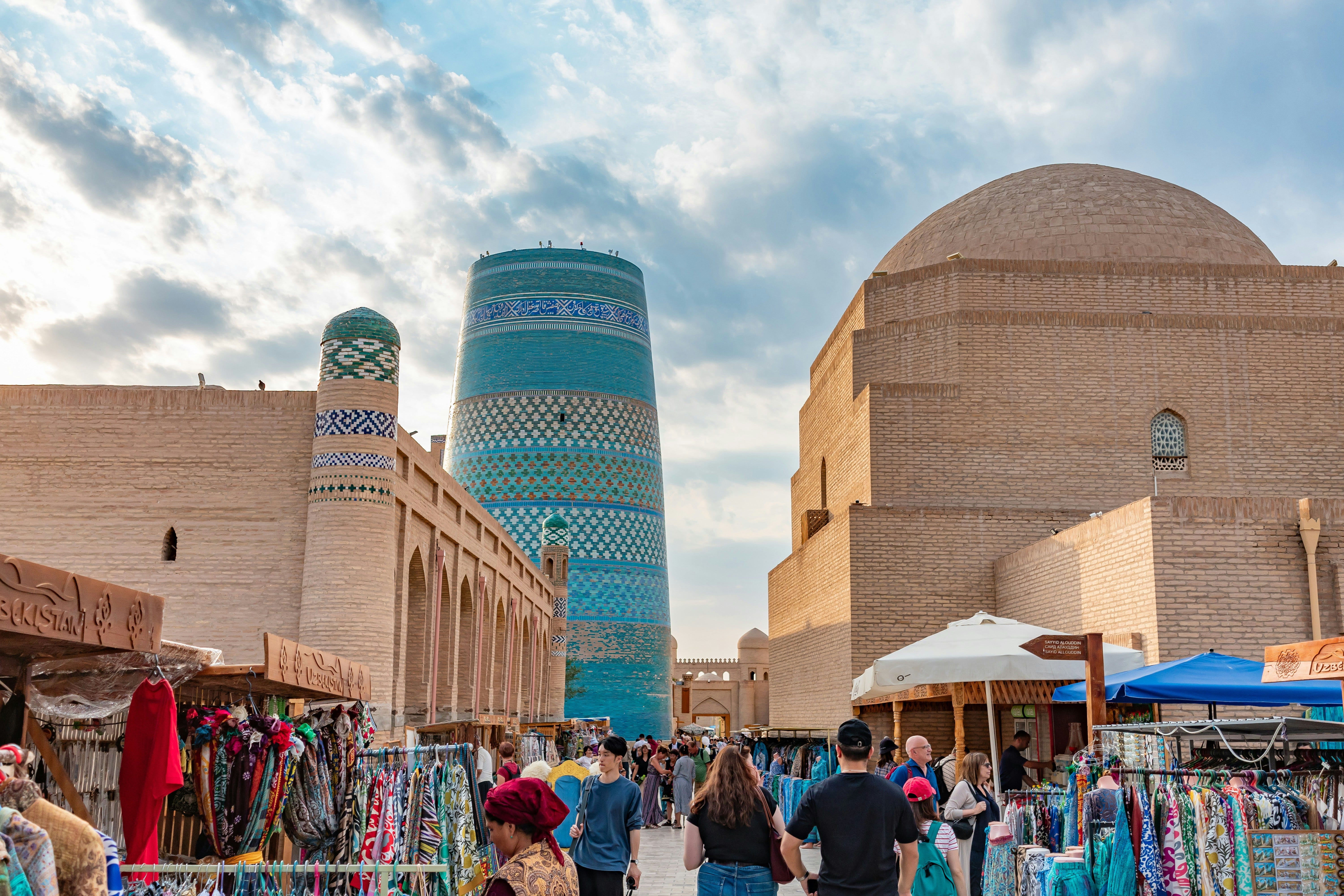
Tashkent
Distance as clarity
Tashkent is still flying under the radar — and that’s exactly why it appeals to some micro-retirees.
Affordable, safe and increasingly well connected, the Uzbek capital offers something many Western cities no longer do: mental space. Fewer distractions. Less noise. More time.
Life here moves at a gentler pace. The city blends Silk Road history, Soviet-era scale and modern infrastructure, creating a setting that feels unfamiliar but welcoming. For those seeking creative reset, reflection or simply distance from Western hustle narratives, Tashkent offers room to think.
It’s not about novelty. It’s about perspective.
Micro-retirement isn’t quitting — it’s recalibrating
This trend isn’t about rejecting work or romanticising instability. It’s about designing pauses into life, instead of waiting for collapse or retirement.
Gen Z isn’t running away from ambition. It’s redefining it — spreading work, rest and exploration across time, rather than stacking everything at the end.
Micro-retirement is not the opposite of productivity.
It’s how a generation is trying to make productivity survivable.
And from Lisbon to Hanoi, from Budapest to Tashkent, the message is clear: the future of travel — and work — looks slower, longer, and far more intentional than we were ever promised.


This really nails the shift from rest as reward to rest as maintenance. That single reframe changes everything becuase it stops treating burnout like a personal failure and starts treating it like an inevitable outcome of poorly designed systems. I watched friends grind through their 20s waiting for permission to live and the burnout caught up way before any rewards showed up. The question isnt whether micro-retirement makes sense but why we ever thought the old model was sustainable.