

Mindful travel without the incense: where to go in 2026 if you actually want to feel better
From real yoga (not Instagram yoga) to places where Wi-Fi disappears on purpose — mindful travel explained without clichés, with practical examples that work in real life.

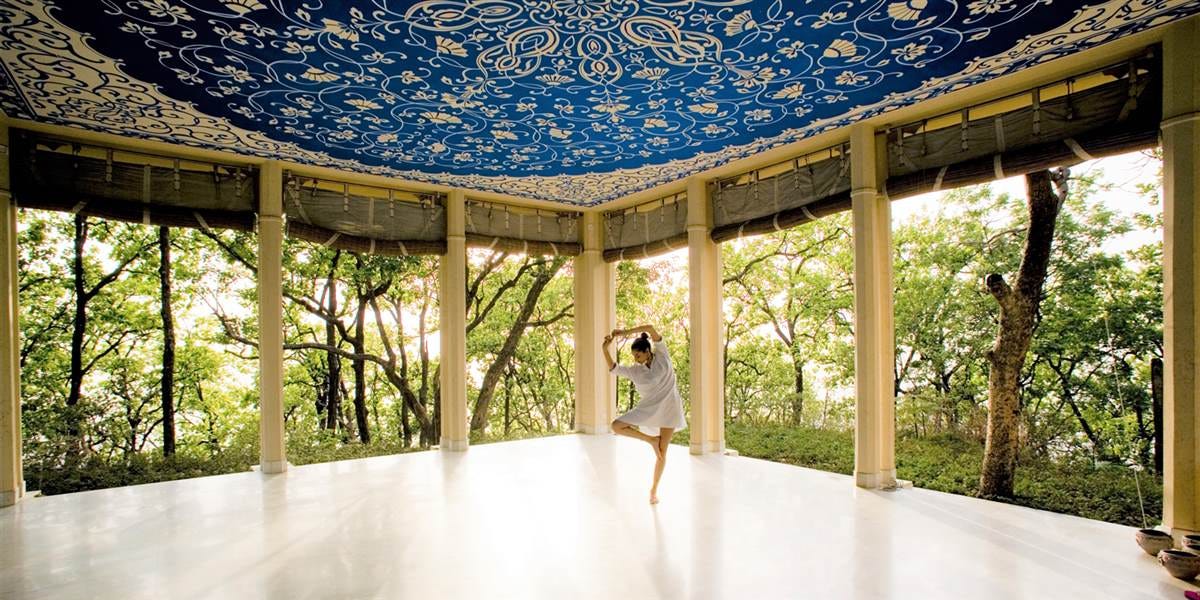
There’s a moment — usually somewhere between your third notification and your second coffee — when you realise you don’t need another trip.
You need a pause that actually does something.
Not a spa weekend you return from more tired than before.
Not a “retreat” with a schedule tighter than your work calendar.
In 2026, this instinct has finally dropped the mystical language and found a more honest one: mindful travel.
Not about “finding yourself”. About choosing places that don’t constantly demand your attention.
It’s not always comfortable. It’s not always cheap. And it’s definitely not for everyone.
But when it works, it works properly.
India: spirituality, but only if you know where you’re going
India
India is where mindful travel was born — and also where it’s easiest to get it completely wrong.
Kerala: real Ayurveda, real timeframes. Anything under ten days is mostly theatre.
Rishikesh: yoga that’s still about discipline, not branding.
Varanasi: powerful, intense, not relaxing. Choose carefully.
Good for people who want a reset, not a holiday.
Japan: mindfulness without talking about it
Japan
In Japan, silence isn’t an activity. It’s infrastructure.
Temple stays in Koyasan or Kyoto mean early mornings, simple food and fewer words.
Forest bathing turns walking into a practice.
Onsen culture removes your phone — and your excuses.
Structured, quiet, deeply effective.
Mongolia: the digital detox you can’t cheat
Mongolia
No Wi-Fi. No backup plan. No pretending.
Living in traditional gers with nomadic families, moving at the speed of horses, sleeping under skies that make your phone feel irrelevant.
Uncomfortable, uncurated — and exactly why it works.
Mexico: mindful, but still enjoyable
Mexico
Slowing down doesn’t have to feel like punishment.
In places like Bacalar, water replaces screens, movement replaces schedules, and eco-stays don’t lecture you about sustainability — they just live it.
A rare balance between depth and pleasure.
Italy: mindful travel without leaving your life behind
Italy
Italy doesn’t market mindfulness very well.
It oversells beauty and nostalgia, then quietly lets you figure out the rest. Which is exactly why mindful travel works here — if you avoid the obvious places.
This isn’t about ticking regions. It’s about choosing where friction disappears.
Valle d’Itria (Puglia)
Stay inland, not on the coast. White towns, olive groves, long lunches that turn into routines. Ideal for longer stays and remote work that doesn’t feel like work.Abruzzo (Apennines)
Mountains without performance. Villages without a pitch deck. Silence that doesn’t ask to be shared.Sicily (inland)
Forget postcard Sicily. Think internal towns, slower time, real communities. Mindful not because it’s curated — but because nothing rushes you.Dolomites (off-season)
Same landscapes, fewer voices. Walking becomes thinking again.
Italy works best for people who want to slow down without disappearing.
The non-spiritual takeaway
Mindful travel isn’t about escaping life.
It’s about choosing places that don’t shout at you.
You don’t need to fly to the end of the world.
You just need to stop travelling like you’re running away.