Sicily Wants to Attract Digital Nomads with Tax Incentives. Shame Nobody Asked Digital Nomads if That's What They Want.
The island’s new relocation tax incentive sounds promising—until you realise policymakers still seem wildly confused about how remote workers actually live, work, and choose where to move.

Based on the original article by Matteo Cerri, published on Esco quando voglio 👇

Sicily has announced a flashy new tax incentive to attract residents from abroad, offering up to 50 percent reimbursement on income tax, rising to 60 percent for those settling in smaller towns.
On paper? Interesting.
In practice? Slightly chaotic.
Because while the initiative itself is not a bad idea, the way it has been presented reveals a now familiar Italian habit: throwing the term “digital nomads” into any policy discussion remotely connected to international mobility, regardless of whether it makes any practical sense.
And here, frankly, it really doesn’t.
The new Sicilian measure is fundamentally a residential relocation scheme. It rewards people who move fiscal residency, buy or renovate property, and establish a stable tax base in the region. That may appeal to returning Italians, retirees, entrepreneurs or professionals looking for permanent relocation.
But digital nomads?
Not really.
Most actual digital nomads—at least the globally mobile kind policymakers seem obsessed with mentioning—do not structure their lives around buying homes in rural municipalities, shifting tax residency into complex new jurisdictions, and planting long-term roots after a spontaneous Instagram-inspired move.
Many work internationally. Many operate through foreign companies. Many deliberately avoid long-term commitments. Many choose destinations based less on tax gimmicks and more on practical daily realities like airport access, coworking culture, lifestyle flexibility, community, bureaucracy, reliable internet and ease of living.
In other words, Sicily may well deserve a shot at attracting globally mobile talent. But if policymakers genuinely want to do that, they may first need to understand the people they keep name-dropping.
Because the truth is: digital nomads do not choose destinations because a politician offered them a rebate on local income tax. They choose destinations because the place actually works for the lifestyle they live.
That said, Sicily absolutely deserves attention.
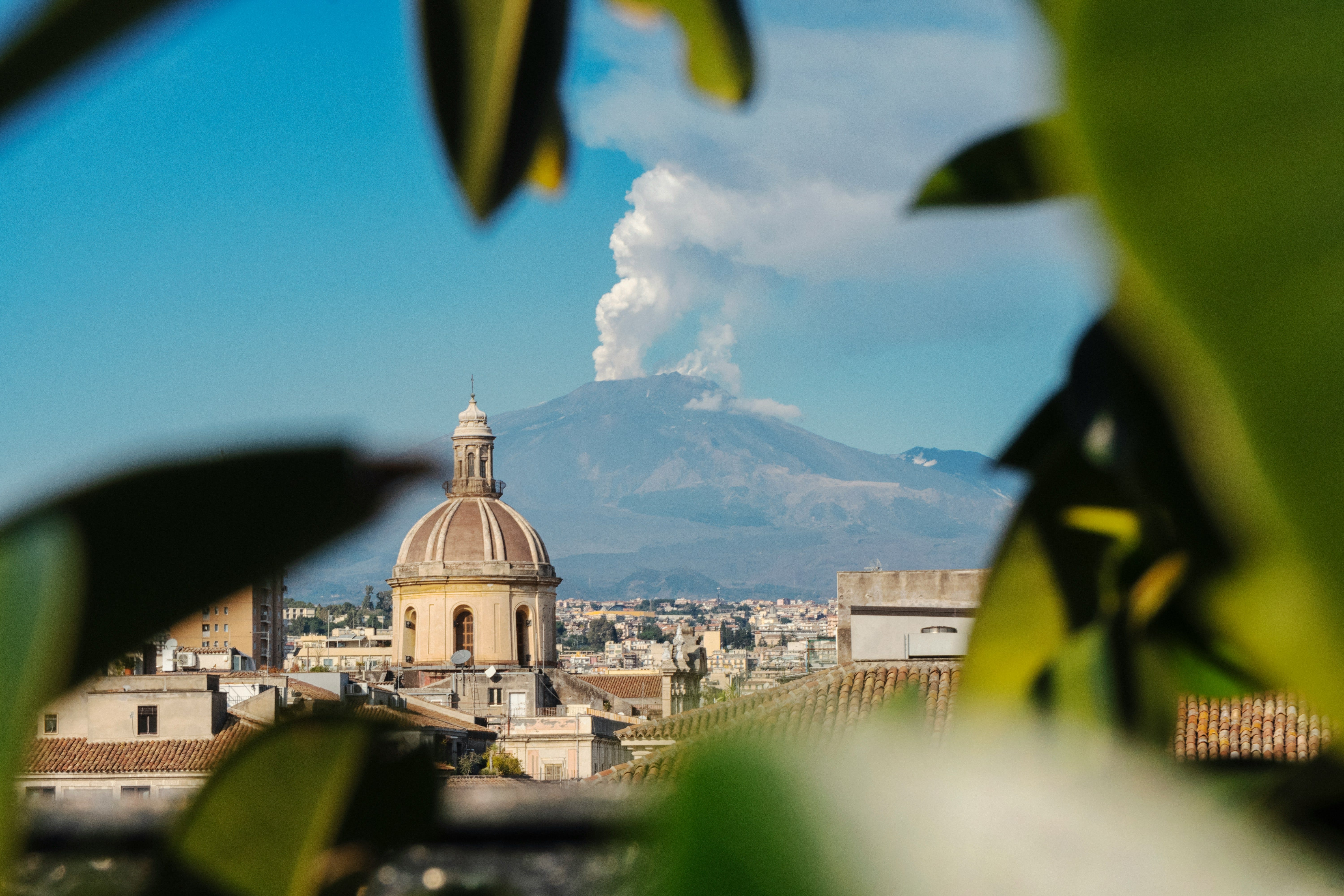
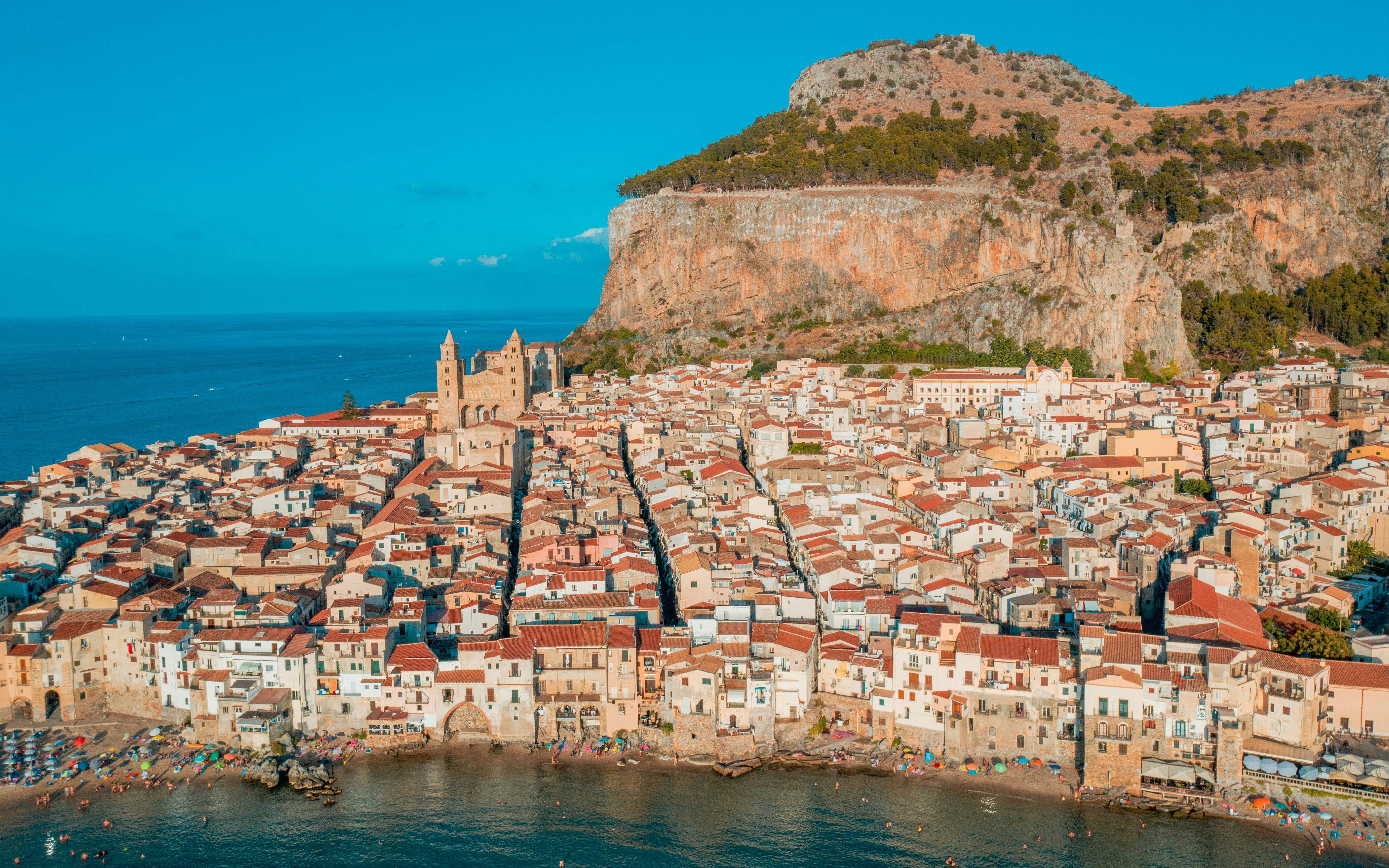
Because despite the clumsy messaging, the island has many of the ingredients remote professionals increasingly want: affordability, climate, beauty, authenticity, culture, growing international visibility and a quality of life that, frankly, many oversaturated “nomad hubs” have long since lost.
What Sicily lacks is not appeal—it lacks packaging, infrastructure and strategic understanding of its audience.
Done properly, Sicily could become one of Europe’s most compelling destinations for remote professionals seeking something beyond overpriced co-living clichés and overhyped laptop beaches.
But that future will not be built by casually dropping “digital nomad” into press releases whenever convenient.
It will come from understanding how modern remote workers actually live—and building ecosystems around that reality.
Until then, Sicily may have taken a step in the right direction.
It just might want to learn who it’s talking to first.