🌴 The Fragility of Paradise
Why even the most perfect islands are rethinking what “living well” really means
There are places in the world that don’t need much explanation.
The Turks and Caicos Islands are one of them — or at least, that’s what most people think. In reality, a lot of readers wouldn’t even be able to point them out on a map. They sit in the Caribbean, southeast of the Bahamas, a British Overseas Territory made up of around 40 islands and cays, only a handful of which are actually inhabited.
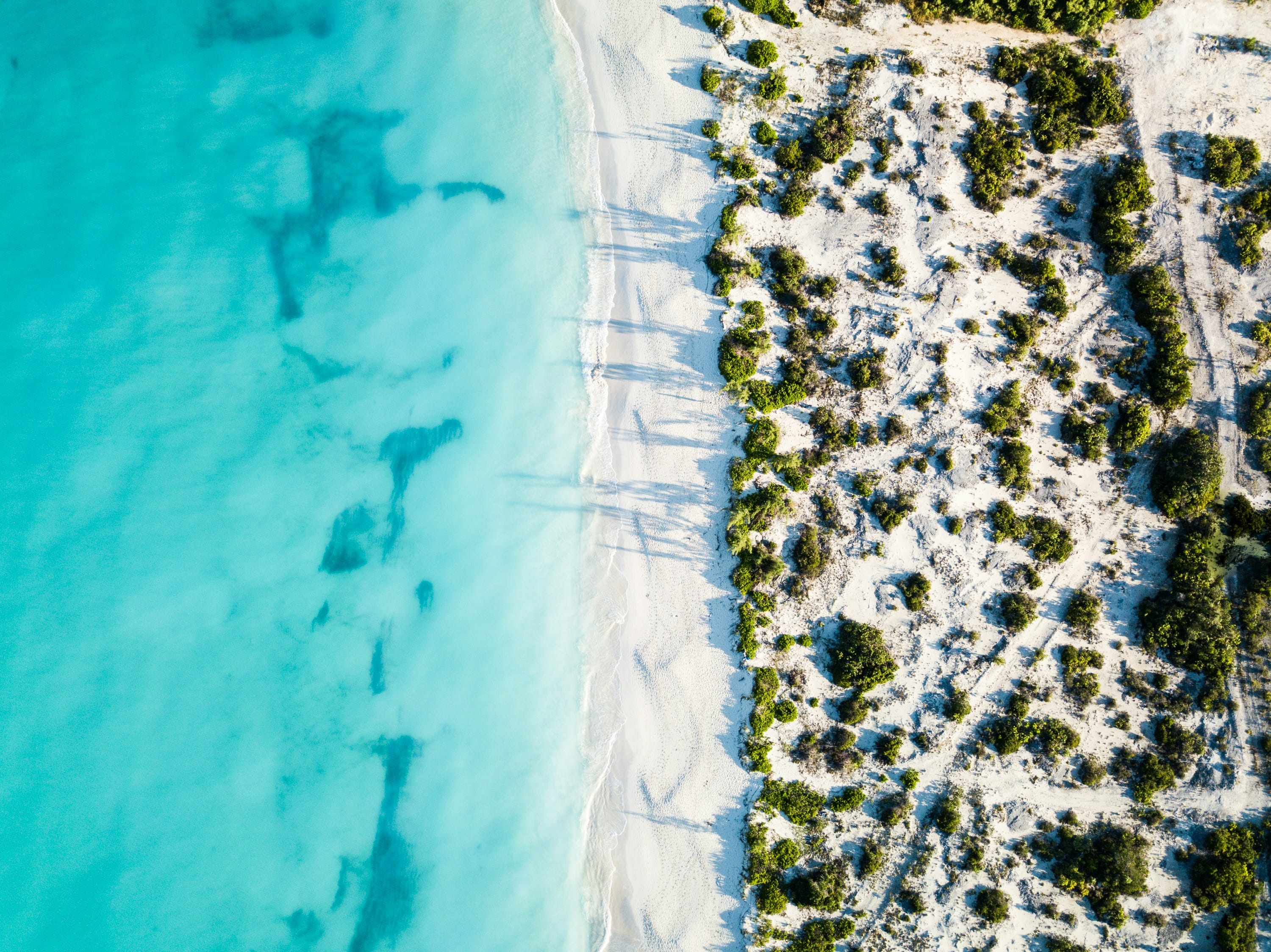
What people do recognize instantly, though, is the aesthetic. The kind of place that looks like it has been designed for screens: impossibly clear water, white sand, low-rise luxury, and that quiet, curated calm that has become the visual language of “remote work done right.”
It is exactly the type of destination that, over the past few years, has been absorbed into the broader narrative of digital nomadism. The implicit promise is always the same: if you can work from anywhere, why not work from somewhere like this?
And yet, when you look a bit closer, the story becomes far more interesting — and far less comfortable.
A model that worked… until it didn’t
For years, the economic model of Turks and Caicos was almost brutally simple. Tourism was not just the main driver of growth; it was the system itself, accounting for nearly 70% of GDP before the pandemic.
This level of concentration tends to be invisible when things are going well. Flights arrive, resorts fill up, real estate expands, and the entire ecosystem appears to function smoothly. But that apparent stability is often nothing more than momentum.
When Covid disrupted global travel, the illusion broke quickly. Visitor numbers dropped dramatically, and with them, the economic foundations of the islands. GDP contracted by more than a third in a very short period.
It is in moments like this that a place is forced to confront a question it has often postponed: what actually holds this economy together?
The digital nomad narrative enters the scene
In the aftermath, like many destinations around the world, Turks and Caicos began to explore ways to diversify. Among the strategies considered — alongside agriculture, finance, and marine industries — there is a clear push toward improving digital infrastructure and attracting remote workers.
On paper, this fits perfectly with the global shift we have been observing. Remote work has decoupled income from location, and a growing number of professionals are actively looking for places that offer quality of life, connectivity, and a certain degree of flexibility.
However, it is important not to overestimate what this shift can realistically deliver.
Digital nomads can bring spending, visibility, and a degree of international attention. What they rarely bring, at least in significant numbers, is long-term structural stability. Their presence tends to be fluid, seasonal, and often loosely connected to the local economy beyond housing, food, and basic services.
In other words, they can complement an economic model, but they cannot replace one.
From postcard economy to real diversification
What is more meaningful in the case of Turks and Caicos is not the marketing narrative, but the underlying strategy that is beginning to emerge.
There is a growing recognition that relying almost exclusively on the image of paradise — beaches, resorts, short stays — creates a system that is inherently exposed to external shocks. The response, therefore, is not simply to attract a different kind of visitor, but to rethink the economic base more broadly.
This includes investments in hydroponic agriculture to reduce dependence on imported food, the development of digital infrastructure to support remote services and tech-related activities, the expansion of financial services, and the exploration of what is often referred to as the “blue economy,” built around sustainable use of marine resources.
None of these elements, taken individually, will transform the islands overnight. But together, they represent a shift away from a one-dimensional model toward something more balanced and, crucially, more resilient.
The constraints no one can ignore
There is another layer to this story that is often overlooked, particularly in lifestyle-driven narratives.
Turks and Caicos are not just beautiful; they are geographically and structurally constrained. Limited freshwater availability, poor soil for traditional agriculture, and exposure to hurricanes are not temporary challenges but permanent conditions.
In addition, the country is fragmented across multiple islands, which makes infrastructure development, logistics, and service delivery more complex and more expensive than in continental settings.
These are not issues that can be solved through branding or positioning. They require long-term planning, investment, and a clear understanding of what kind of economy is actually sustainable in such an environment.
A broader lesson, beyond the Caribbean
What makes this case relevant is not just the destination itself, but what it reveals about a wider trend.
Over the past decade, we have become accustomed to thinking of places primarily as experiences to be consumed. The rise of remote work has amplified this perspective, turning entire regions into potential backdrops for a lifestyle that is, by definition, mobile.
But places are not platforms. They cannot rely indefinitely on transient populations, however affluent or well-intentioned they may be.
They need continuity, services, local participation, and a degree of economic diversity that allows them to absorb shocks and adapt over time.
The real question
The future of Turks and Caicos will not depend on whether they remain attractive. That part is almost guaranteed.
It will depend on whether they can translate that attractiveness into something more stable, more layered, and less dependent on a single narrative.
Because, in the end, the challenge is not to sell paradise.
It is to make it sustainable.