

The Perfect Place Trap
Somewhere between wanderlust and the obsession with designing the ideal life, we may have built a loop we don’t even recognize anymore.

There is a quiet contradiction in the way we travel today, especially if you sit anywhere near the world of digital nomads, remote workers, or simply people who have decided that geography should no longer define their lives.
We say we are looking for freedom, but what we often end up building is a more sophisticated version of control.
We move cities, then countries, sometimes continents. We refine our choices. We learn what works: better light, better spaces, better routines, better coffee, better weather, better people. We become incredibly good at curating our lives. And yet, somewhere along the way, that curation turns into a subtle form of pressure.
Because once you start optimizing your life, it becomes very difficult to stop.
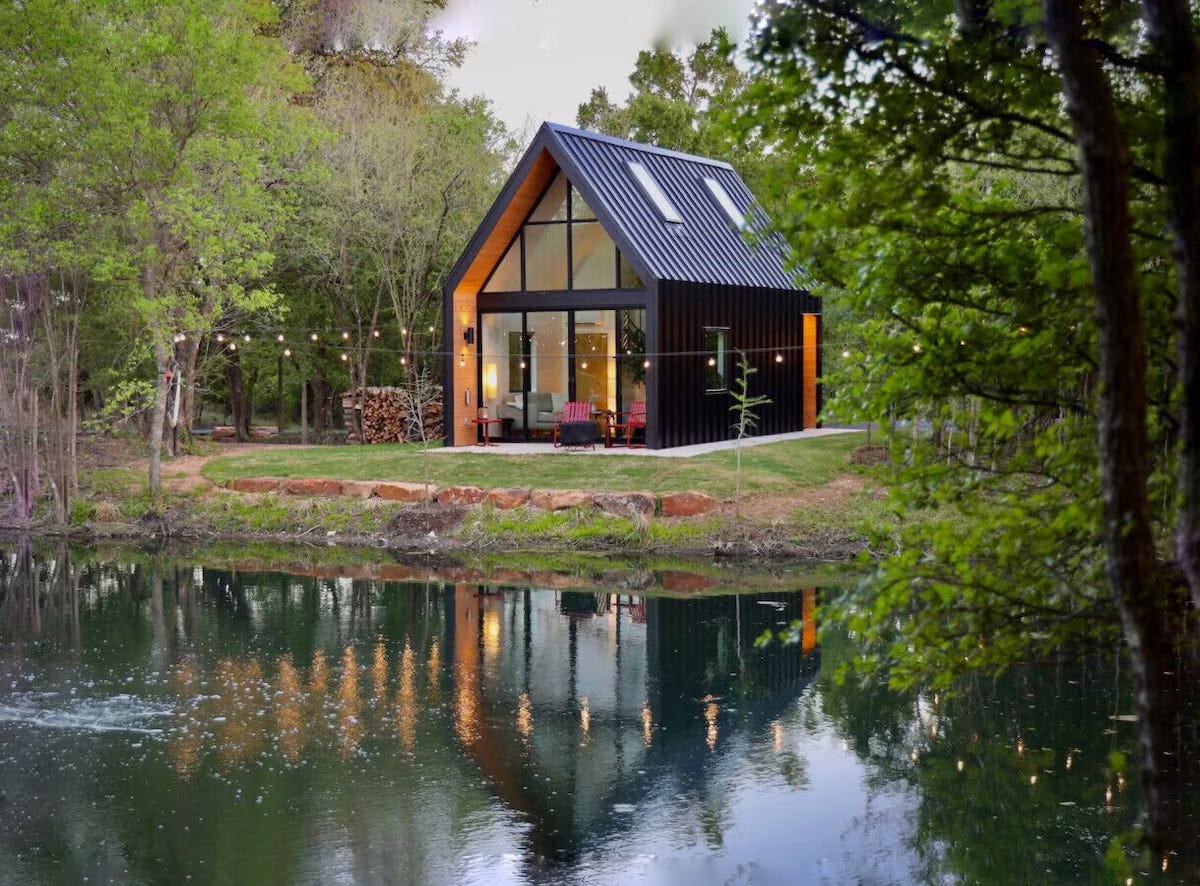
From the post of a well known ‘host’ on LinkedIn: “A guest told me something recently that stayed with me longer than I expected. She said she hadn’t realized how loud her life had become until she spent forty-eight hours in silence. There was no dramatic context around it. She wasn’t at a retreat, she hadn’t taken a vow of anything, and she wasn’t trying to prove a point. She had simply booked a stay in a small micro-resort: six cabins, no lobby, no buffet, nothing that could be mistaken for traditional hospitality.
Just space. Light. Materials that felt natural. And a kind of quiet that didn’t feel like an absence, but like a presence you had forgotten existed.
What struck me was not the silence itself, but the fact that it came as a surprise.”
Because that is where the real shift is happening, and it is one that most of the hospitality industry still seems reluctant to fully acknowledge. We are still designing places that perform well visually, that photograph well, that communicate value through visible features. Bigger pools, more amenities, more statements. But the people who come back are rarely the ones who were impressed.
They are the ones who felt something change.
There is a difference between being entertained and being restored, and it is a difference that does not always show up immediately, but tends to reveal itself later, often in the most practical ways. People sleep better. They stay longer. They talk about it without being prompted. They come back, and when they do, they are less price-sensitive than you would expect.
This is why the idea of “designing for the nervous system,” which might sound like something halfway between a wellness cliché and a marketing slogan, is actually more grounded than it appears. It simply shifts the focus from what a place looks like to what a place does to you over time.
It is not about removing everything, but about removing what is unnecessary. Reducing noise, not just acoustically but cognitively. Using materials that do not create subtle friction. Letting light follow natural rhythms instead of forcing artificial ones. Creating spaces where rest is not something you have to work for.
And this is where the paradox becomes harder to ignore.
Because while we are collectively trying to design better lives, we are also becoming increasingly unable to step out of the process of designing them. The search itself becomes continuous. There is always a slightly better option, a slightly more aligned place, a slightly more “right” version of what we are doing.
It is a very refined loop. Often beautiful. Sometimes inspiring. But still a loop.
So the question, at some point, stops being where we feel better, and becomes whether there is any space left where we are not actively trying to improve something.
That is what makes places like those small micro-resorts interesting. Not because they are minimal, or aesthetic, or even particularly original, but because they create a condition in which nothing is being asked of you. No performance, no comparison, no subtle expectation to extract value from the experience.
And that, in a way, is becoming rare.
The world does not necessarily need more rooms, or more concepts, or more layered experiences. It needs places that allow people to exit the loop, even temporarily, and return to a baseline that feels human again.
If those places also happen to make commercial sense, which increasingly they do, then we are not looking at a niche. We are looking at a direction.
And now… a few words about our newsletter’s sponsor
Posta Privata Nazionale: the small business opportunity many expats overlook in Italy
Moving to Italy is a dream for many expats. A slower lifestyle, beautiful villages, better food and a more human rhythm of life.
But once the honeymoon phase is over, one practical issue quickly appears: daily services are often missing.
In many small towns and rural areas across Italy, simple things can become surprisingly complicated.
Where do you:
send or receive parcels?
pay utility bills?
activate a digital identity (SPID)?
manage official documents?
print, scan or handle administrative paperwork?
In large cities these services are easy to find. In smaller towns, however, there is often no single place that offers them all.
That is why many Italian towns rely on private postal service agencies — local service points that combine logistics, digital services and administrative support.
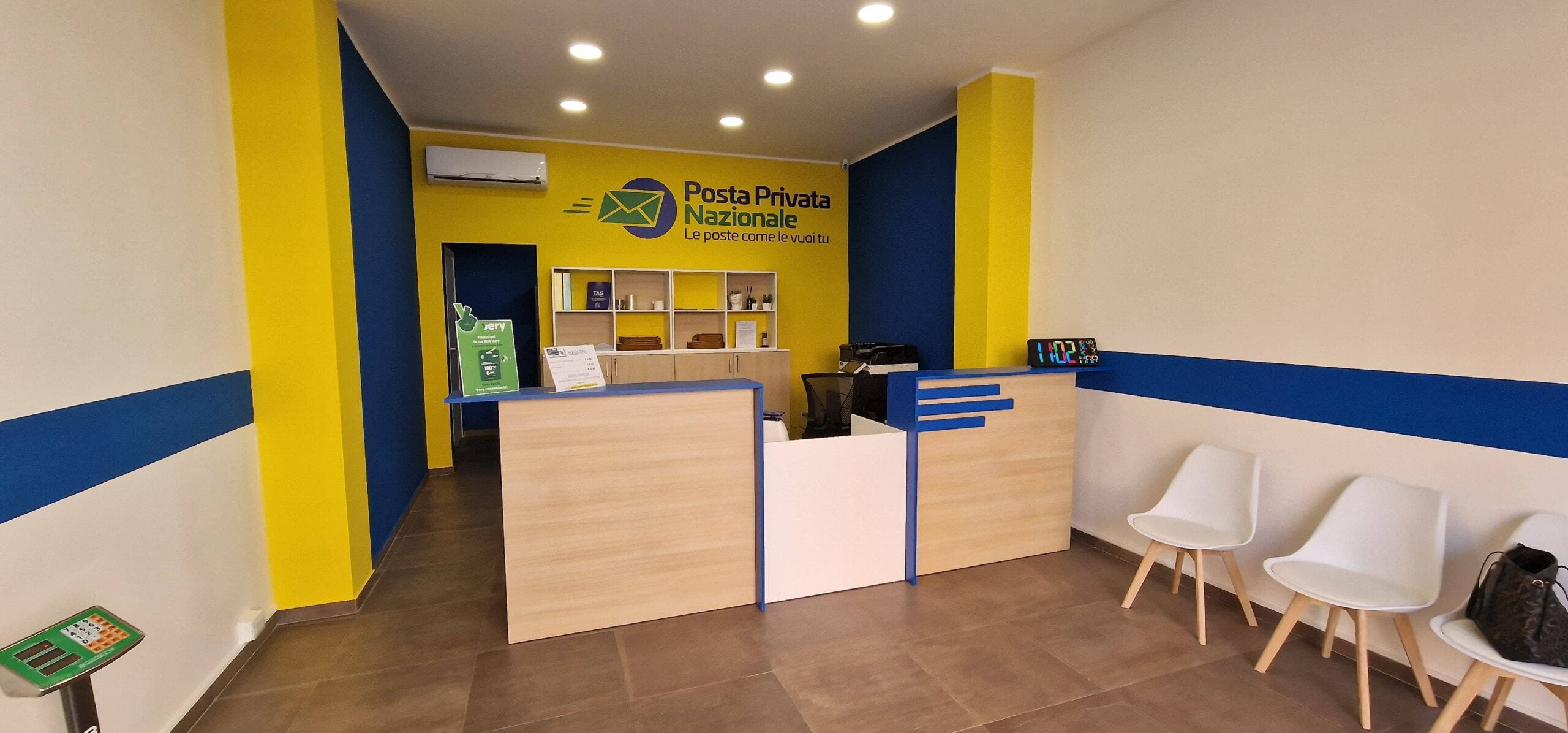
One of the networks operating in this space is Posta Privata Nazionale, which allows entrepreneurs to open a local postal and service agency under a structured system.
The concept is simple: create a multiservice office where residents, businesses and newcomers can handle many everyday needs in one place.
Typical services include:
parcel shipping and delivery
registered mail
bill payments
digital identity services (SPID)
document processing
money transfers
mobile top-ups
business services.
For expats who have moved to Italy and are looking for a stable local business, this model can be surprisingly practical.
Instead of inventing a new job from scratch, you can open a service that is already needed by the community.
Even better, the investment required is relatively modest compared to many other businesses.
Opening a Posta Privata Nazionale service point can cost roughly between €6,000 and €17,000 depending on the setup — less than the price of a small car.
And the typical setup time is around 60 days.
For many expats looking to integrate into local life while building a sustainable income, it can be a business worth considering.
Info: commerciale@lapostaprivatanazionale.it