

Three Months in Budapest: The Digital-Nomad Capital Everyone Knows (And Still Underestimates)
By Elena 'B'
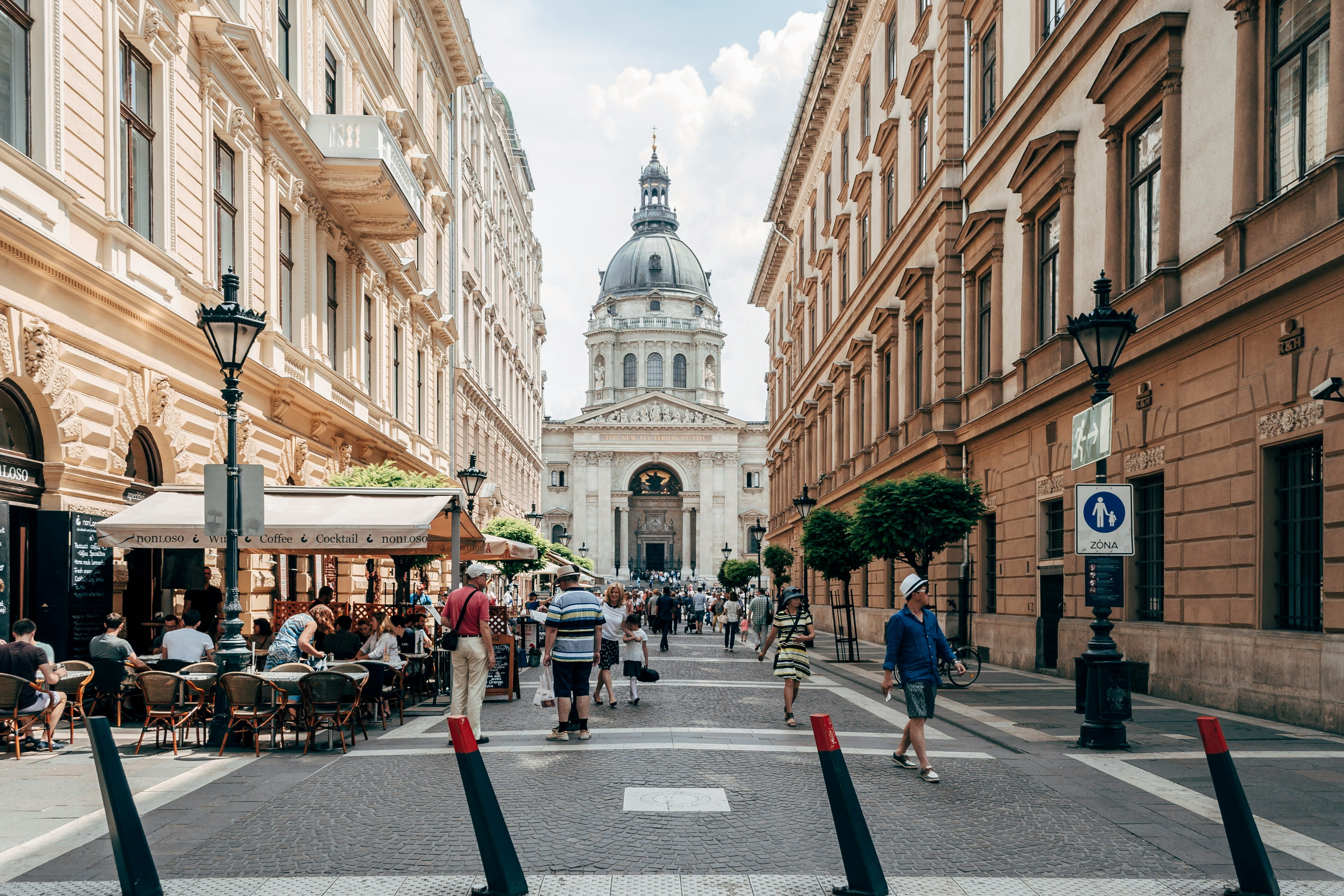
I didn’t plan to stay three months in Budapest.
I planned to pass through.
A week, maybe ten days. A thermal bath or two. Some goulash, some ruin bars, a few long walks along the Danube pretending I was being productive.
Then I rented a flat “just for a month.”
Then another.
Then I stopped checking return dates.
Budapest has that effect. It doesn’t grab you aggressively. It just… removes all friction from daily life until leaving feels like unnecessary admin.
The city that feels bigger than it is (and calmer than it should be)
Budapest is technically a capital city, but it doesn’t behave like one.
It’s grand without being chaotic, historic without being museum-like, social without being exhausting.
You get:
Paris-scale architecture
Berlin-level creativity
Vienna-style public transport
And Eastern-European prices (mostly)
Buda is quiet, leafy, almost smug.
Pest is flat, lively, walkable, and full of cafés where laptops are treated as a normal life choice.
The city feels designed for long stays, not weekend tourism. Which is exactly why digital nomads keep “accidentally” settling here.
Costs: still friendly, if you don’t live like an influencer
Budapest isn’t cheap cheap anymore — but it’s still very fair if you live like a human.
Realistic 2025 prices:
Meal out (solid, not fancy): €10–14
Cappuccino: €2–2.50
Craft beer: €3–4
Monthly utilities: €120–150
Internet (home fibre): €10–15
Gym: €30–45
One-bedroom flat (central, modern): €550–700
Outside centre: €450–550
You can overspend easily.
But you can also live very well without constantly checking your bank app.
The work setup: Budapest understands remote work
Hungary doesn’t make a big show of it, but Budapest is quietly excellent for working remotely.
Fast fibre is normal. Cafés don’t glare at you. Coworking spaces are polished without being corporate.
Solid coworking options:
Kaptár – international, friendly, very nomad-heavy
Impact Hub Budapest – professional, great events
Kubik Coworking – smaller, creative, relaxed
Flowspaces – multiple locations, reliable, central
Day passes: €10–15
Monthly: €130–180
Café culture? Relentless.
New York Café is for photos.
Madal, Kontakt, Espresso Embassy, Fekete, My Little Melbourne are for actual work.
Where to live (tested by walking too much)
If you work remotely, neighbourhood choice matters more than ever.
District V (Belváros) – central, beautiful, pricey, very nomad
District VII (Jewish Quarter) – lively, creative, noisy at night
District VI (Terézváros) – perfect balance of calm + cafés
District IX (Ferencváros) – underrated, modern, great value
Buda side (Districts I–II) – green, elegant, quieter
I stayed in District VI.
Walkable, calm, full of cafés, close to everything — without feeling like an Airbnb showroom.
Weekends: Central Europe as your playground
Budapest is dangerously well-connected.
Vienna — 2.5 hours
Bratislava — 2 hours
Prague — 6–7 hours
Lake Balaton — 1 hour
Slovakia & Austria — casual day trips
You can work a normal week and still feel like you’re travelling constantly.
Productivity suffers. Life improves.
The vibe: international without being performative
Budapest feels used to foreigners.
Not impressed by them. Not hostile. Just… normal.
English is widely spoken. People are direct, efficient, sometimes sarcastic — very Central European.
No forced friendliness, no fake expat bubbles, no “digital nomad villages.”
You blend in quickly. Which is underrated.
After a while, you stop feeling like a guest.
You feel like someone who knows which tram to take without checking Google Maps.
So, would I recommend Budapest as a digital-nomad base?
Absolutely — especially if you want:
A real European capital without capital-city stress
Strong café and coworking culture
Walkable neighbourhoods
Excellent transport
Fair living costs
Easy travel across borders
A city that works instead of trying to impress you
Budapest is not a secret.
But it’s one of those places where the hype is deserved — and still incomplete.
Three months were unplanned.
Staying longer felt… obvious.