

TrophiHub: The Table Of Time
Reporting from Crete, Maurizio Gigola
Visit Maurizio’s (our new contributor) page 👉 Filming for a better world
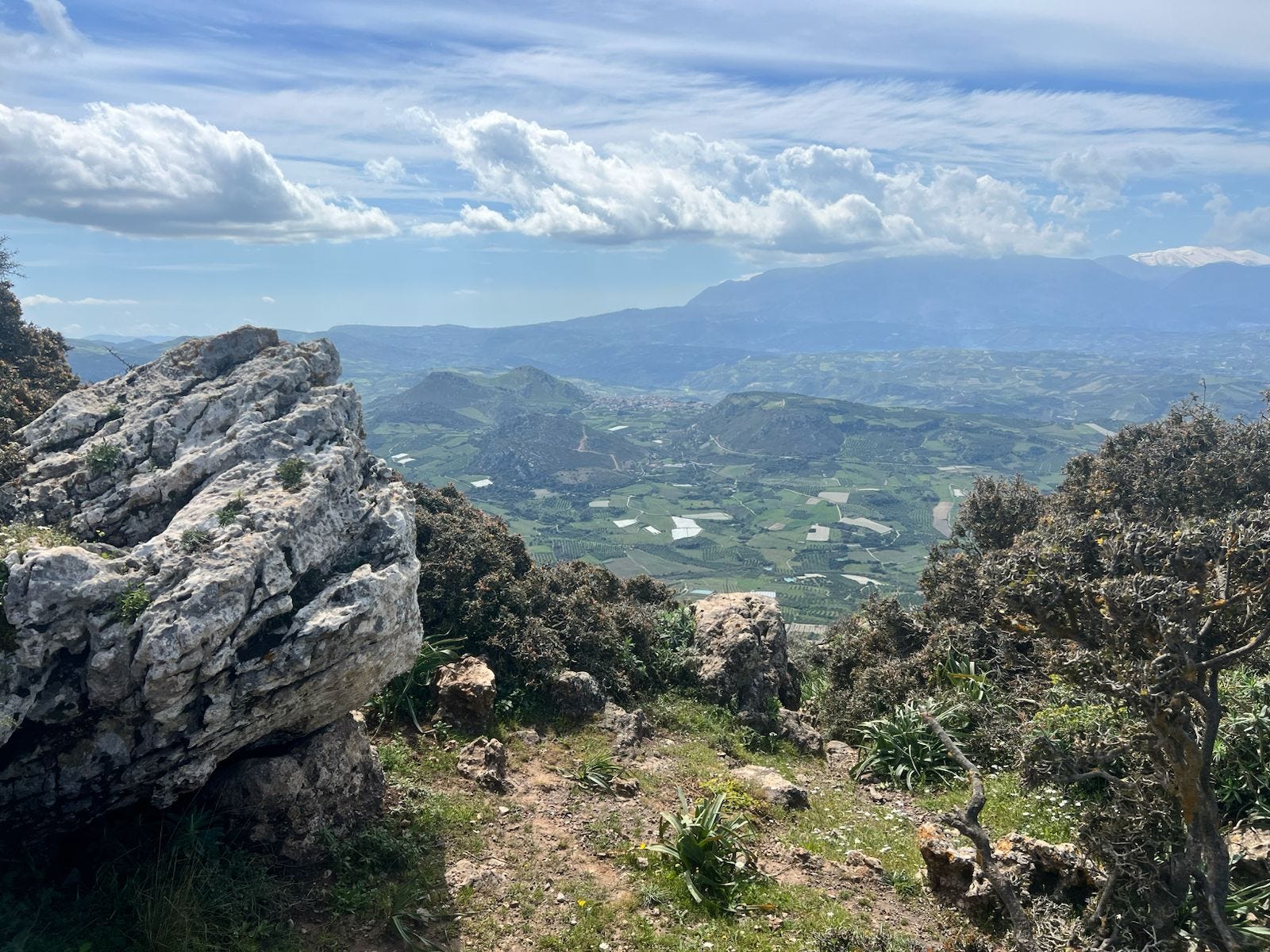
I am sitting on the mountains of Crete, not young anymore, sixty-eight years old, not a spring chicken, as they say with that cruel tenderness reserved for men who still want to begin again.
Below me, far away, Heraklion trembles in the light. Or perhaps it is only my eyes. At this age one does not always know if the world is shimmering or if the body has become a poor cinema projector, scratched but still loyal.
I look and I see almost nothing.
This is the beginning.
Because Crete, like life, is made mostly of invisibility.
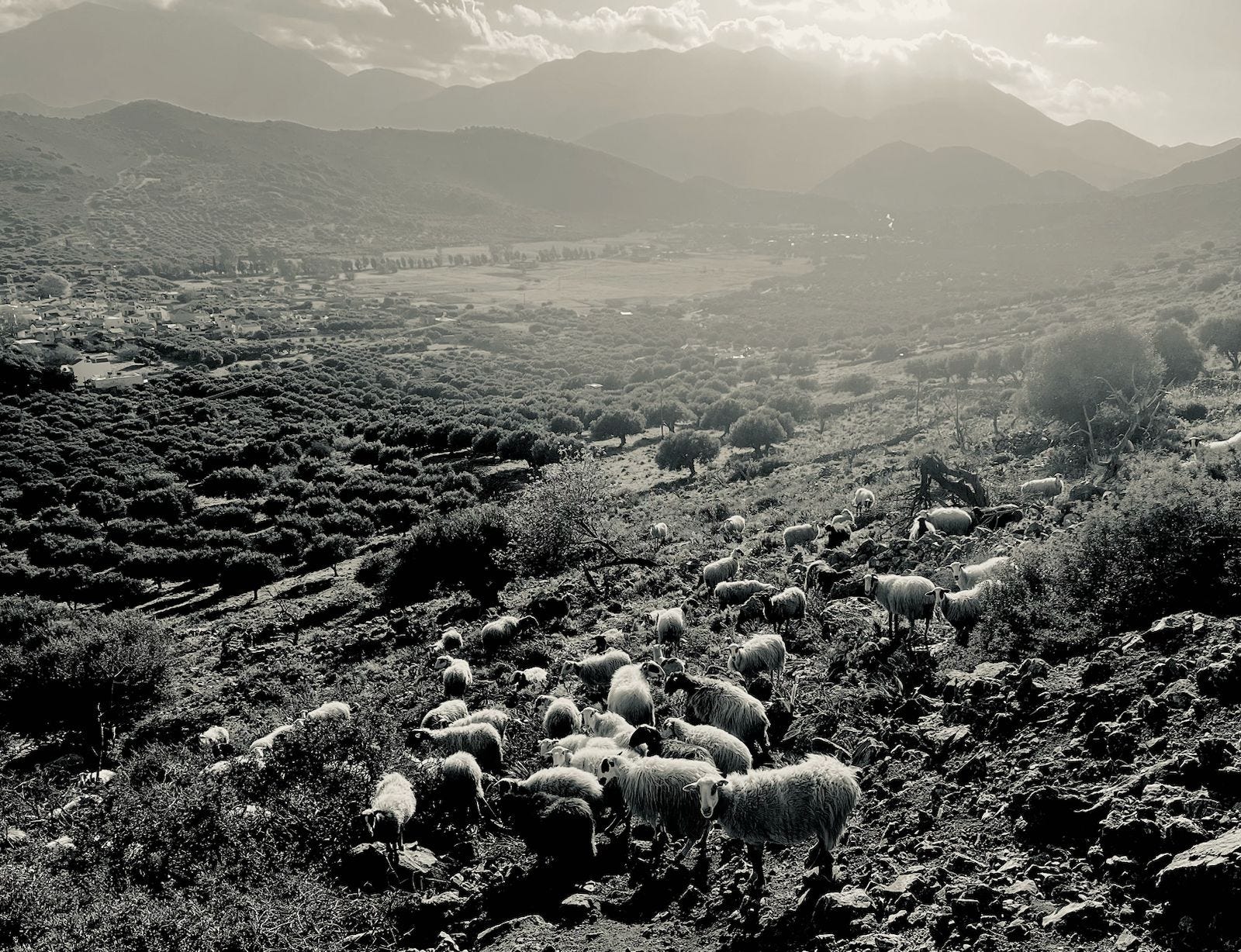
The olive tree is visible, yes. The stone wall, visible. The goat, the bread, the glass of wine, the old woman dressed in black, the mountain road twisting like a question nobody has answered in four thousand years. But what makes these things alive is not visible. The hand that planted. The hunger that taught. The prayer before eating. The dead father inside the gesture of cutting bread. The child learning the rhythm before knowing the meaning. The table. Always the table.
And I ask the gods of Olympus, with the seriousness of a tired man who still wants to be surprised: please, let me wonder. Do not give me success. Do not give me applause. Give me the childish astonishment of seeing for the first time what was always in front of me.
That is how I came to TrophiHub.
Or perhaps TrophiHub came to me, walking slowly up the mountain, carrying a basket of figs, honey, wild greens, and the impossible patience of Crete.
Trofi. Nourishment. Not only food. Never only food.
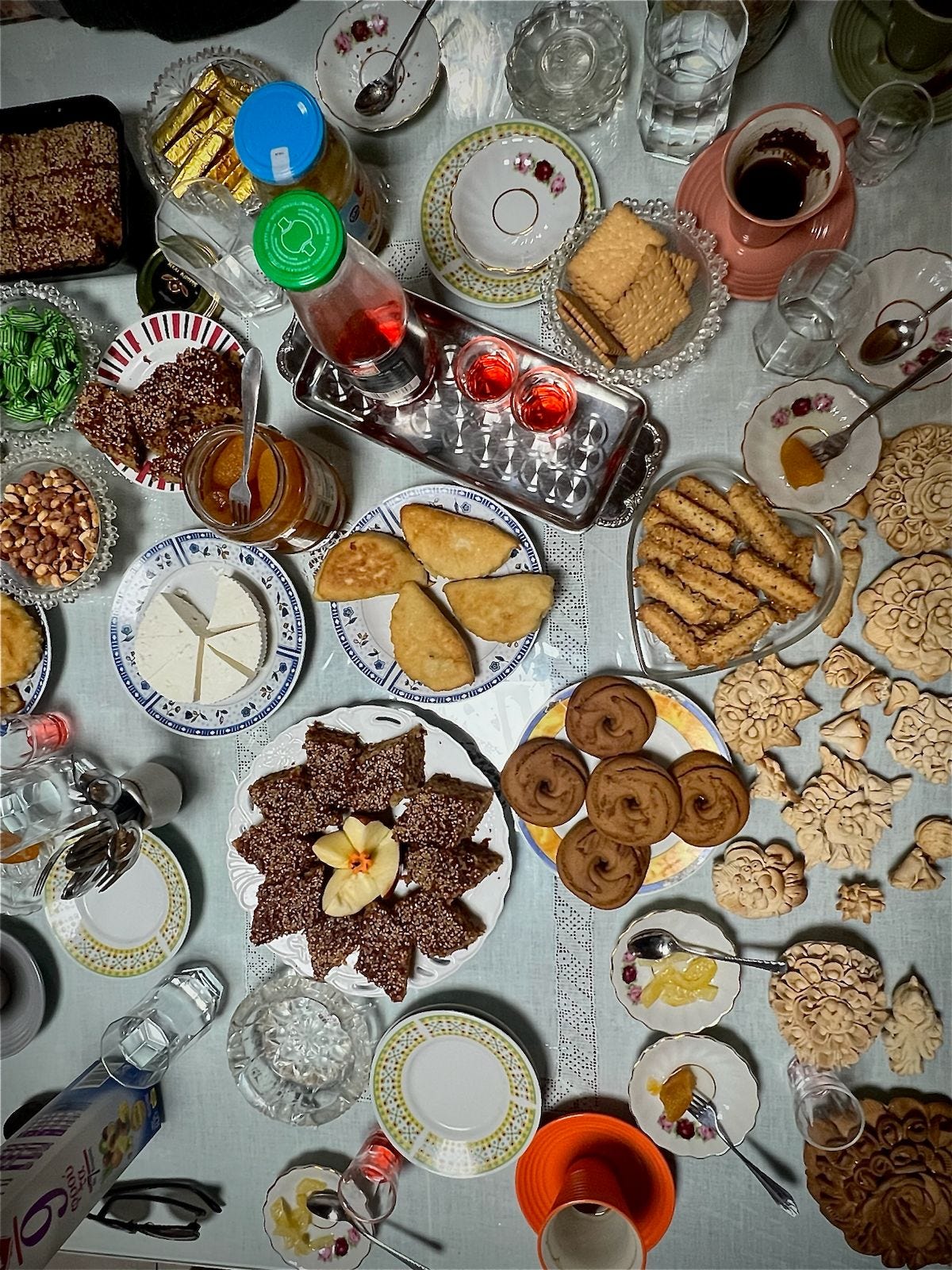
Food is the first cinema. Before the image, before the word, before the archive, before the museum, there was a hand giving another hand something to eat. From this gesture everything begins: family, tribe, memory, economy, devotion, betrayal, reconciliation, music, politics, love, death. The table is the first parliament and the last church. The Table of Time.
I thought I had come here to make a project. A documentary series, a platform, a cultural initiative, something useful, something necessary, something with partners, decks, budgets, meetings, all the architecture of modern intention. But Crete laughed at me. Not loudly. Crete does not need to laugh loudly. The mountains have time.
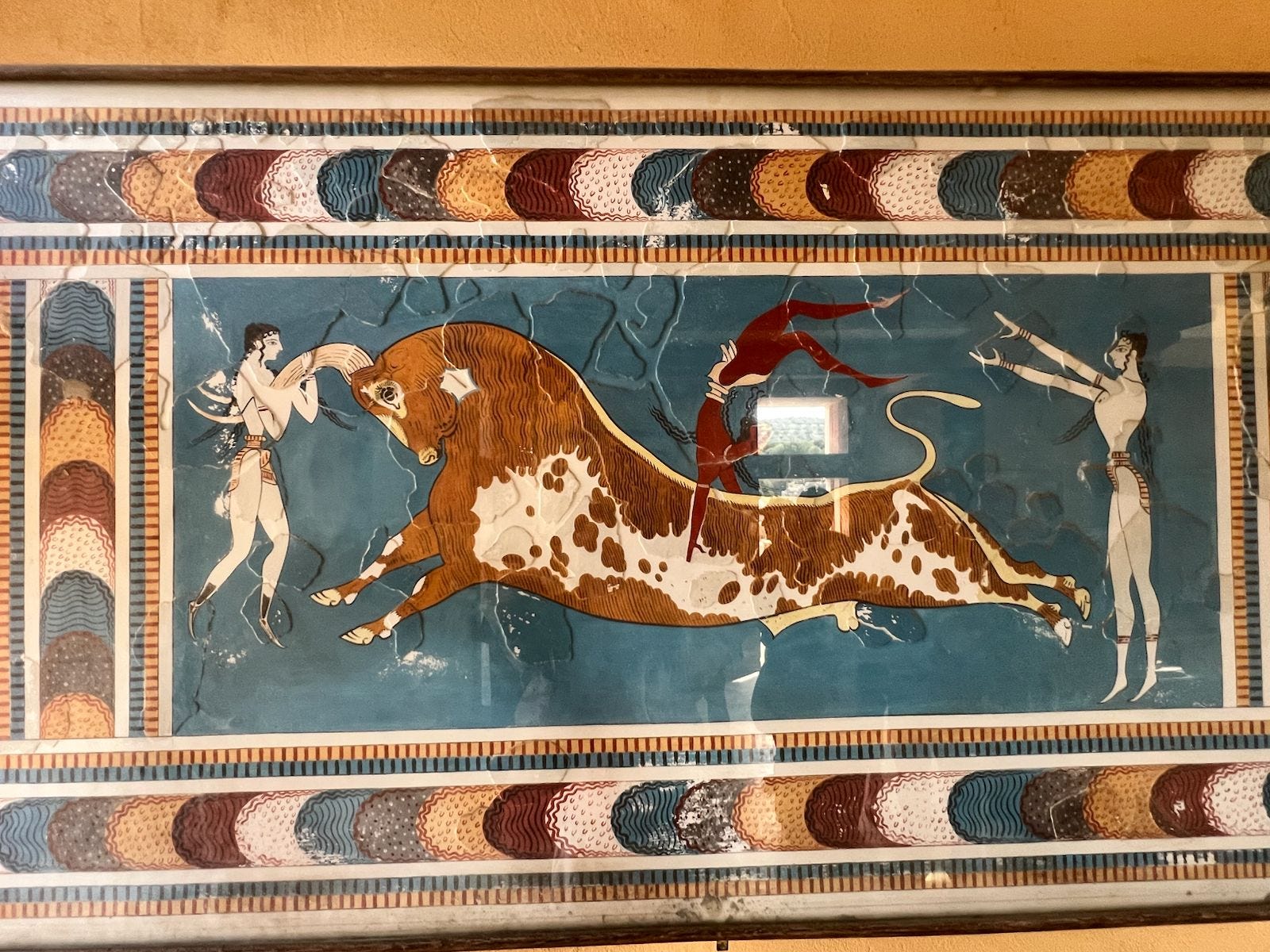
At night I heard the Minotaur.
Not the monster of schoolbooks, not the tourist souvenir, not the horned nightmare trapped in a maze for the amusement of children. No. I heard something older and more human. A breathing under the island. A sadness. The beast inside civilization, the hunger we hide in systems, in markets, in appetites without gratitude. He was not asking to be killed. He was asking to be understood.
Then came Daedalus, the architect, smelling of dust and seawind, with the hands of an engineer and the eyes of a guilty father. He told me the labyrinth was not only a prison. It was a model of the human mind. We build corridors to escape ourselves and call it progress. We fly too high and call it innovation. We forget the wax. We forget the sun.
“Make visible the invisible,” he said. “But do not flatten mystery into explanation.”
This is the work.
TrophiHub is not another food project. If it becomes only recipes, it fails. If it becomes only tourism, it fails.
If it becomes nostalgia, that sweet poison, it fails. It must become a living archive of what cannot be archived easily: the invisible heritage of daily life. The liturgy of cheese, herbs, oil, bread. The way a mountain village measures time through harvests and funerals. The music that begins as entertainment and ends as ontology. Zorba dancing not because life is easy, but because life is unbearable without rhythm.
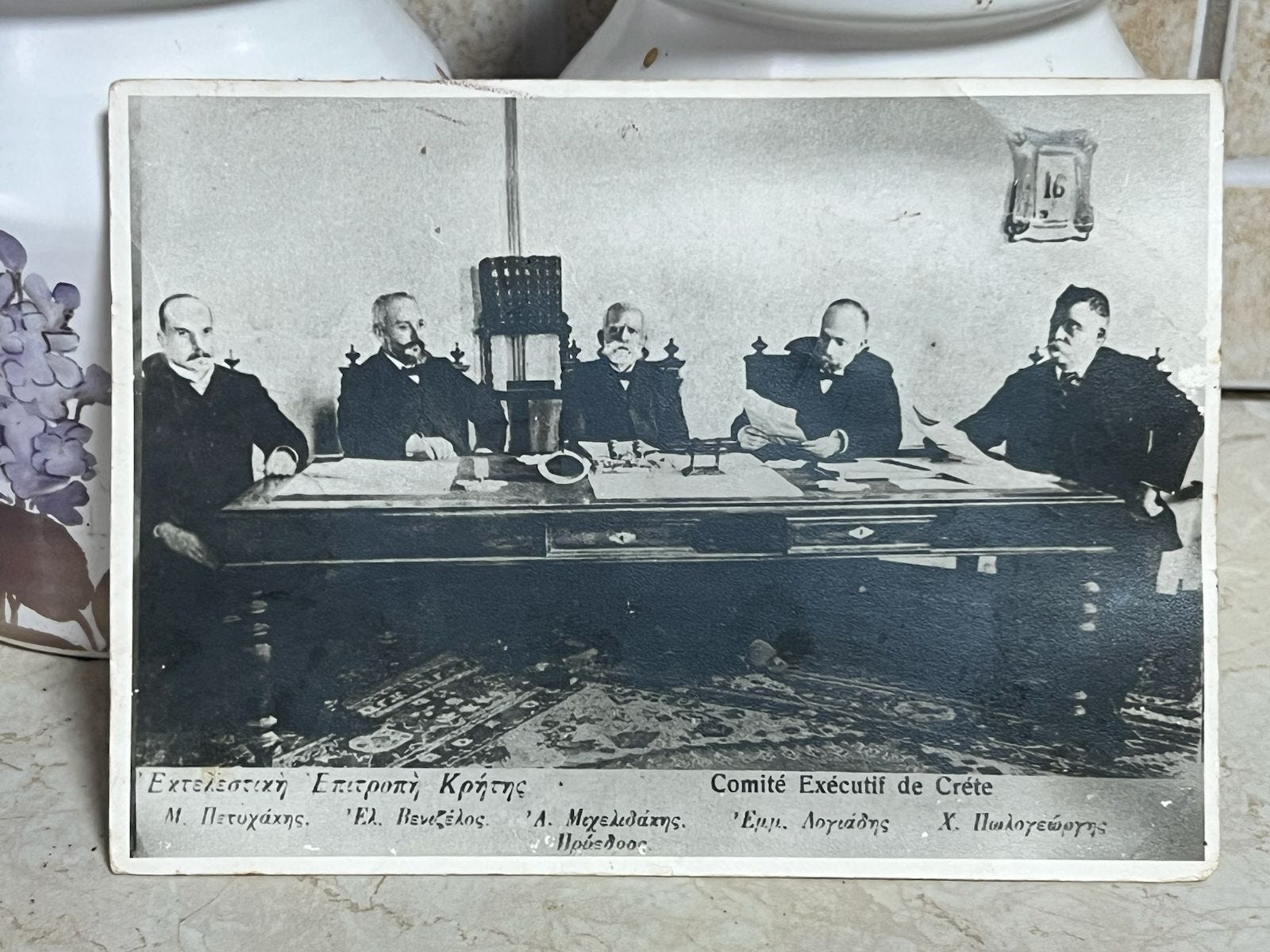
And there is the strange discovery: tradition is not the opposite of the future. Tradition is a technology of survival. It is knowledge encoded in repetition. A recipe is a philosophy that has accepted to wear an apron. A dance is an argument made by the body. A feast is a social contract renewed with wine.
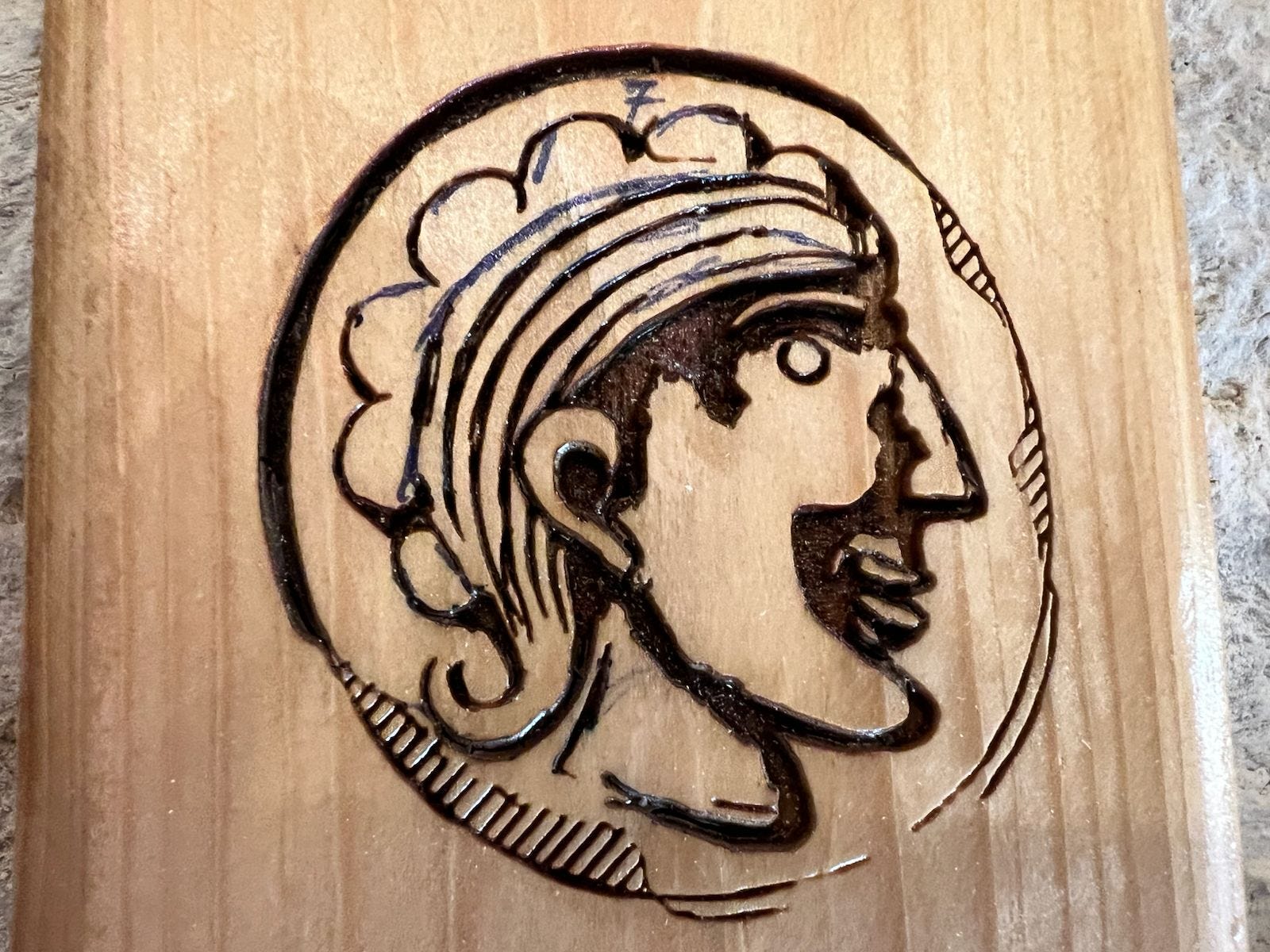
Minoan, Byzantine, Venetian, Ottoman, modern, wounded, stubborn, luminous Crete. Civilizations came and did not simply erase one another. They settled, collided, fermented. The island absorbed without surrendering. This is why the Cretan diet is not a diet. It is a civilizational memory system. Land and body, biodiversity and ritual, hunger and joy, science and grandmother, all still speaking to each other.
In the morning I met Persephone among the wild greens.
She was not tragic. She was practical. She knew the seasons because she had been one. She bent down, touched the earth, and asked me if I understood resurrection.
I began to answer like a man from conferences: regeneration, sustainability, One Health, biodiversity, food systems.
She smiled.
“No,” she said. “Do you understand that nothing returns exactly as it was, and still it returns?”
This is The Garden of Life.
A garden is not innocence. A garden is negotiation. Between growth and decay, bees and flowers, water and stone, human care and non-human intelligence. We do not own the garden. At best we are admitted into its grammar.
This is why filming matters.
Because the camera can be violent, but it can also become an act of listening. A documentary can steal, but it can also return attention. At Filming for a Better World, I want the camera to become a table: a place where the visible and the invisible sit together.
Zeus arrived last, naturally.
He came with thunder over Psiloritis, theatrical as all old rulers are. He accused me of asking too much from Crete. “You modern people,” he said, “always arrive with your urgent purposes. You want meaning to be delivered like luggage.”
Perhaps he was right.
But I told him I am sixty-eight. I have earned a little urgency. I have seen enough of the world to know that we are starving while surrounded by abundance. We have more food and less nourishment. More connection and less belonging. More information and less wisdom. We have optimized the meal and lost the table.
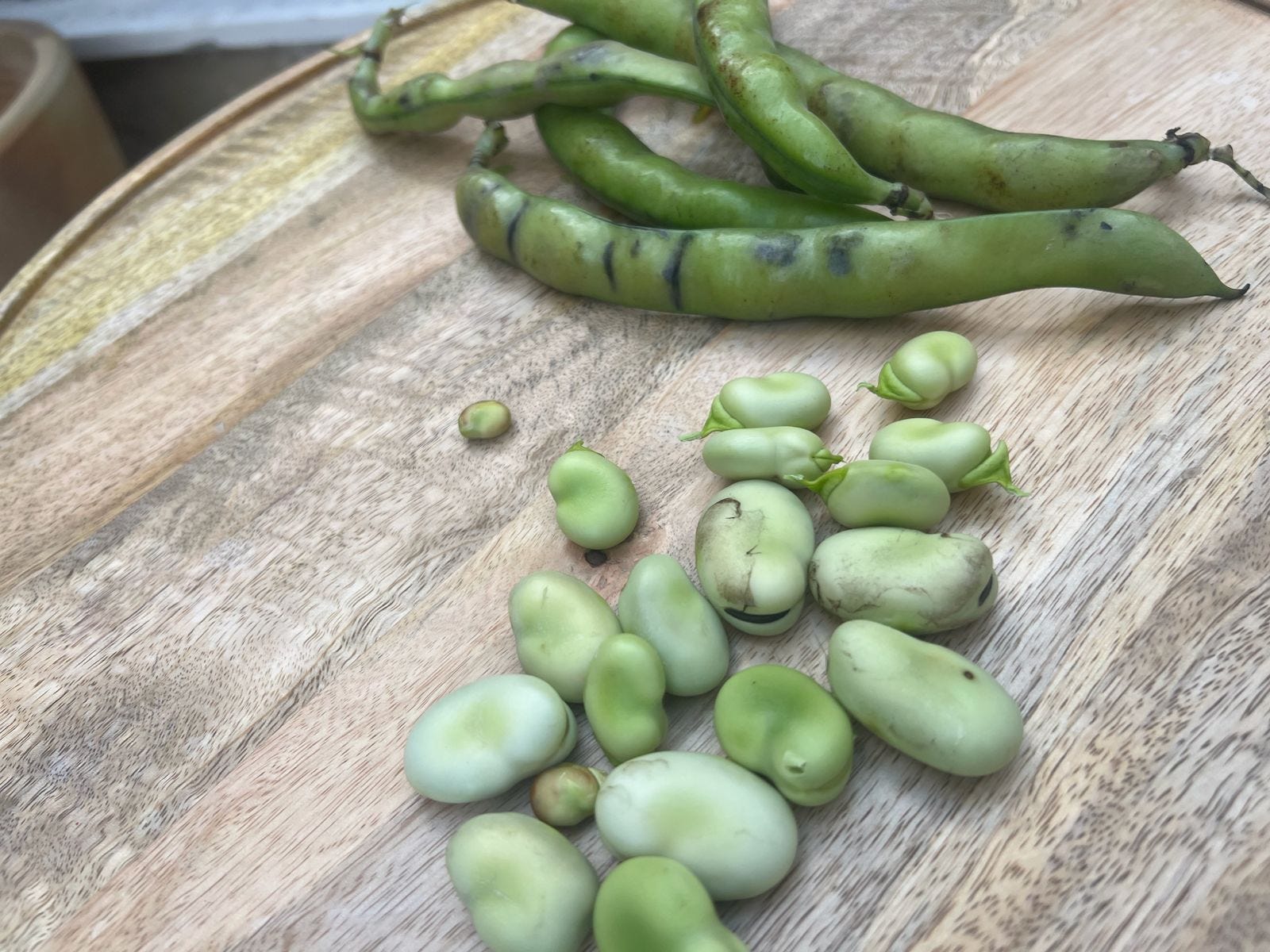
So yes, I ask Crete to speak. Not as a museum. Not as a postcard. As a living laboratory for a future that does not begin by erasing the past.
TrophiHub.com, for me, must become this: a place where food nourishes the soul because it restores relationship. Between farmer and eater. Between mountain and city. Between diaspora and mother island. Between myth and science. Between the young who want to leave and the old who know why one returns.
From the mountains I look again toward Heraklion.
Still, I see almost nothing.
But now I understand. The invisible is not absence. It is the real work of the world.
The gods have surprised me after all. Not with miracles. With bread. With bees. With old songs. With a table waiting in the dusk.