

Why 165,000 Britons Have Left the UK to Work Remotely Abroad (in 2025 only) - And Where They’re Actually Going
From sunshine and tax perks to lifestyle upgrades and slower living, Britain’s remote workers are not just travelling anymore. They’re relocating.

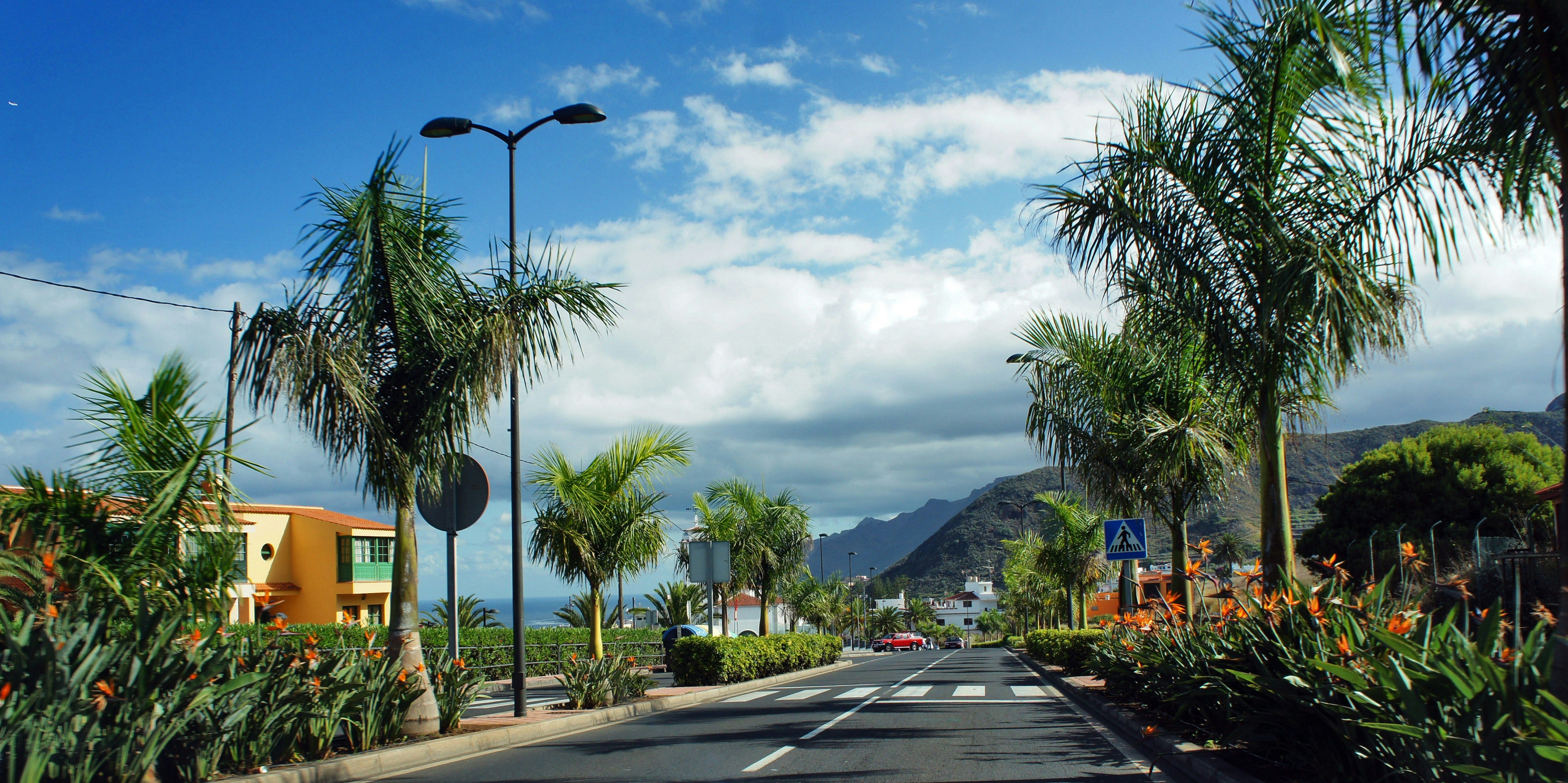
An estimated 165,000 UK professionals have left Britain (2025 data) to work remotely from abroad, according to recent reporting by LiveCareer UK, in what is becoming less of a temporary travel trend and more of a structural lifestyle shift.
And frankly, few are surprised.
Between a prolonged cost-of-living squeeze, grey weather, increasingly expensive housing, and the slow collapse of the traditional “live near London because that’s where work is” mindset, many British professionals have realised something fairly obvious: if your office is your laptop, geography becomes optional.
What started as pandemic-era experimentation has now evolved into something more mature. The era of the chaotic backpack-and-Airbnb nomad is gradually being replaced by the rise of the “slomad” — remote workers choosing longer stays, better infrastructure, and destinations where life feels sustainable rather than simply Instagrammable.
So where are British digital nomads heading?
Spain Still Leads the Pack
Unsurprisingly, Spain remains the most popular European destination for UK remote workers.
And yes, part of that is because it offers the fantasy package many Brits seem genetically programmed to desire: sunshine, tapas, walkable cities, and the ability to complain about the heat instead of the rain.
But Spain’s popularity is not just about weather.
Its Digital Nomad Visa has become one of Europe’s better-known relocation schemes, offering legal residency for remote workers earning roughly €2,700+ per month, alongside access in some cases to favourable non-resident tax treatment.
Infrastructure also helps. Spain consistently ranks among Europe’s leaders for broadband quality, and cities such as Barcelona, Valencia, and Madrid now offer mature coworking ecosystems, international communities, and a social scene specifically tailored to remote professionals.
That said, Spain is increasingly facing the same challenge many “nomad hotspots” eventually encounter: popularity creates pressure. Rising rents, overcrowding, and local frustration in some major hubs are making parts of the country less idyllic than the marketing brochures suggest.
Portugal Remains Attractive — But No Longer the “Cheap Secret”
Portugal continues to perform strongly, particularly in hubs such as Lisbon, Porto, and Madeira.
Portugal built much of its modern international reputation by aggressively embracing remote workers, startups, and expats before many competitors did. Its D8 Digital Nomad Visa, English-speaking environment, startup culture, and Atlantic lifestyle made it one of Europe’s breakout relocation stories.
However, Portugal’s image as the affordable paradise of Western Europe is beginning to age.
Housing prices have surged significantly in Lisbon and Porto, and local backlash toward inbound remote workers has grown louder. Many still move there, but increasingly with the understanding that Portugal is no longer the bargain it once was.
Croatia Is Winning Over the Lifestyle Crowd
Croatia has quietly become one of Europe’s strongest rising contenders.
Its dedicated digital nomad permit allows eligible non-EU citizens to stay for up to a year, and one of its main attractions remains its relatively favourable tax treatment for qualifying remote workers.
Beyond bureaucracy, Croatia offers what many nomads increasingly prioritise: Mediterranean climate, coastal beauty, relative affordability, and enough infrastructure to function professionally without feeling overdeveloped.
Cities like Split and Dubrovnik have become particularly popular among those seeking a slower pace without giving up lifestyle quality.
Estonia Appeals to the Tech Purists
Then there is Estonia, which continues to attract a more niche but loyal crowd.
If Spain and Croatia sell sunshine, Estonia sells efficiency.
Its reputation as one of the most digitally advanced societies in the world remains unmatched, with nearly all public services available online and an e-Residency programme that has made it especially attractive to founders, freelancers, and digitally native entrepreneurs.
The downside, naturally, is that not everyone dreams of leaving Britain’s grey skies in search of… slightly colder grey skies.
And Yes — Italy Is Quietly Becoming One of Europe’s Most Desired New Destinations
While not mentioned in every mainstream ranking yet, Italy is increasingly emerging as one of the most discussed and searched-for destinations among remote workers and relocation platforms.
Why?
Because Italy offers something many mature digital nomads begin craving after the honeymoon phase of nomadism fades: quality of life with cultural depth.
Unlike destinations built primarily around “nomad infrastructure,” Italy’s appeal is broader and more lifestyle-driven. It combines climate, food, beauty, healthcare, established infrastructure, and enormous geographic variety - from major cities like Milan and Rome to smaller lifestyle hubs such as Palermo, Lecce, and Cagliari.
Italy also formally launched its own Digital Nomad Visa framework in recent years, although - being Italy - it has taken longer than some hoped to become fully streamlined.
Still, the interest is there. In multiple international relocation and remote work rankings from platforms such as Nomad List, Global Citizen Solutions, and VisaGuide over the past two years, Italy has consistently appeared among Europe’s fastest-rising aspirational destinations for remote professionals.
Its particular strength lies in appealing not just to young backpacking freelancers, but to what many are now calling “executive nomads”: older, higher-income professionals and entrepreneurs looking less for cheap beer and beanbags, and more for beauty, stability, and a life that feels worth living.
The Bigger Picture: This Is No Longer Just About Travel
The most interesting part of this story is not where people are going.
It’s why.
This migration reflects a broader reassessment of what work should support. For decades, professionals were expected to organise life around career. Increasingly, remote workers are doing the opposite: organising work around life.
And when given that freedom, many are deciding that endless commuting, bad weather, expensive rent, and £8 meal deals are perhaps not the pinnacle of modern civilisation after all.
The real winner in this shift may not be any one country, but the destinations that understand one thing better than others: remote workers are no longer simply chasing Wi-Fi.
They are chasing a better way to live.