

Why Digital Nomads Are Falling in Love with Villages (Not Resorts)
The New York Times spotted the trend. But for remote workers and fully distributed teams, this is not about retreats — it’s about finding places that actually work for life.

The New York Times ran a piece in its DealBook newsletter about a curious trend: abandoned European villages being bought or rented for corporate retreats and off-sites.
Entire villages. Churches, schools, bars included.
Sounds wild. And yes — it kind of is.
But if you’re a digital nomad, a remote worker, or part of a fully distributed team, you probably had a different reaction:
“Wait… hasn’t this been happening for a while already?”
Because long before companies discovered “village retreats”, individuals were quietly testing something else: working from places that don’t feel like work environments at all.
Not resorts.
Not coworking factories.
Not lifestyle postcards.
Just places that make sense.
As Matteo Cerri explains through the work of ITS ITALY, the real shift is not about occasional retreats. It’s about residency — even temporary, even experimental — in places where work and life stop fighting each other.
Villages work because they force a reset.
Time slows down.
Noise disappears.
Social interaction becomes intentional instead of transactional.
And suddenly, work feels… lighter.
That’s why this trend resonates so strongly with nomads and remote professionals. Not because villages are “cute”, but because they offer something rare in the remote work ecosystem: coherence.
Italian scholar Giancarlo Dall’Ara warned about this decades ago. Places fail when they become containers for experiences instead of spaces for everyday life. The same applies to nomad hubs and corporate off-sites: if they only exist to host people briefly, they leave no trace — and create no belonging.
That’s also why some of the most interesting projects today don’t call themselves retreats at all.
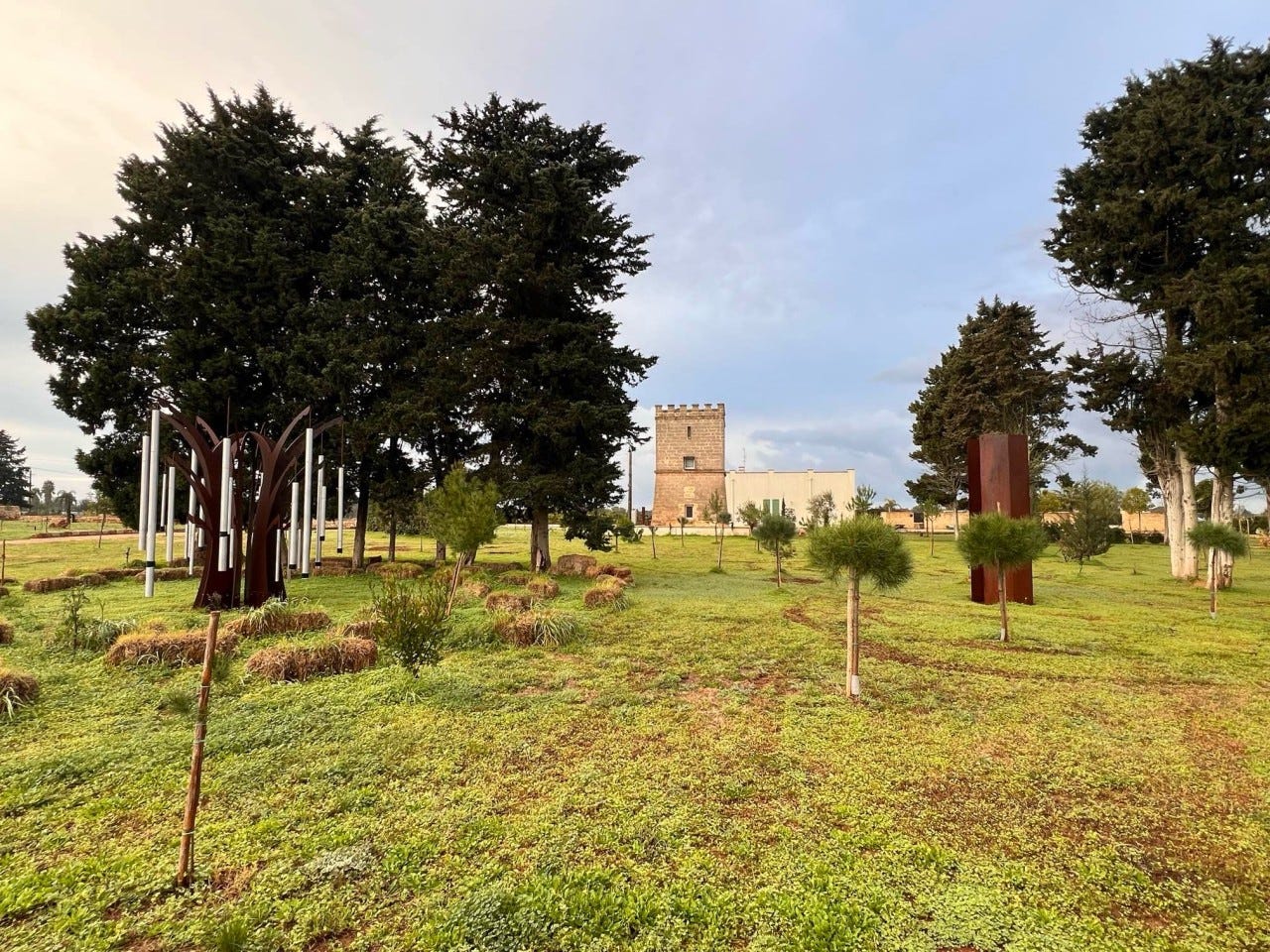
Think of places like Masseria Torre Luciana. Not a “workation”. Not a productivity bootcamp. A place with a message: sound, body, rhythm, attention. A space where people don’t optimize their calendars — they recalibrate themselves.
For remote-first companies, the lesson is similar.
Quarterly off-sites are nice.
But repeated stays in the same place?
Longer residencies?
Shared rituals, familiar streets, local faces?
That’s where distributed teams start feeling human again.
Villages are not the future because they are isolated.
They are the future because they are complete.
And maybe that’s what this NYT article really signals — even if it doesn’t say it explicitly:
after years of hyper-mobility, people are no longer looking for anywhere.
They’re looking for somewhere.